
The Singapore Fire Code is the cornerstone of fire safety regulations in the country. It encompasses various aspects of fire prevention, protection, and emergency response. The code is regularly updated to reflect international best practices and local requirements. Understanding these regulations is crucial for property owners, developers, and facility managers.
The SCDF has implemented a risk-based approach to fire safety, recognizing that different buildings pose different levels of risk. This approach allows for more targeted and effective fire safety measures while avoiding unnecessary requirements for lower-risk buildings. However, it also means that understanding the specific requirements for your project type is more important than ever.
Comprehensive FSC application and renewal services for all building types. We ensure your property maintains compliance with current fire safety standards.
Expert building plan submissions incorporating all fire safety requirements from the design stage. We work closely with architects and engineers to ensure seamless integration.
Detailed fire protection system plans and submissions for all active and passive fire protection systems required in your building.
Specialized submissions for Performance-based Fire Safety Management systems, ensuring optimal fire safety through advanced engineering approaches.
Specialized Minor Amendment Application submissions for solar panel installations, ensuring fire safety compliance for renewable energy systems.
Comprehensive fire safety compliance audits and ongoing support to ensure your property maintains the highest safety standards.
The Fire Safety Certificate (FSC) is a mandatory requirement for all non-residential buildings and residential buildings with common areas in Singapore. It serves as official documentation that a building complies with fire safety requirements and is safe for occupation. The FSC must be renewed annually, making it a critical ongoing compliance requirement for building owners and managers.
The FSC system was introduced to ensure that buildings maintain adequate fire safety standards throughout their operational life. Unlike one-time approvals, the annual renewal requirement ensures that fire safety systems are regularly inspected, tested, and maintained. This proactive approach has significantly contributed to Singapore’s excellent fire safety record.
Buildings requiring an FSC include offices, factories, warehouses, shopping centers, hotels, schools, hospitals, and residential buildings with common property. Even small commercial units within residential buildings may require separate FSCs if they have distinct fire safety systems or occupy significant floor areas.
In certain circumstances, buildings may require a Temporary Fire Permit instead of or in addition to an FSC. TFPs are typically issued for buildings undergoing major renovations, temporary structures, or when specific fire safety systems are temporarily non-operational. Understanding when and how to apply for a TFP is crucial for maintaining compliance during transition periods.
Building Plan submissions to SCDF represent a critical early stage in any construction or renovation project. These submissions ensure that fire safety considerations are integrated into the building design from the outset, rather than being retrofitted later at greater cost and complexity. The BP submission process requires careful coordination between architects, engineers, and fire safety consultants to create designs that are both functional and compliant.
The SCDF reviews building plans to ensure compliance with prescriptive requirements under the Fire Code and evaluates whether the proposed fire safety strategy is appropriate for the building’s use and occupancy. This review covers aspects such as means of escape, fire resistance of structural elements, compartmentation, and provisions for fire fighting access and facilities.
The design of means of escape is perhaps the most critical aspect of fire safety planning. It encompasses all routes and facilities that enable building occupants to move to a place of safety in the event of a fire. This includes exit doors, corridors, staircases, and assembly points. The design must consider various scenarios and ensure that escape routes remain tenable for the required duration.
Key considerations in means of escape design include travel distances, exit capacities, door swing directions, and provisions for persons with disabilities. The number and distribution of exits must be carefully calculated based on occupancy loads and building configuration. Special attention is required for complex buildings with multiple uses or irregular layouts.
Fire resistance requirements ensure that structural elements and separating elements can withstand fire exposure for specified periods. This is crucial for maintaining structural integrity during evacuation and fire fighting operations. The required fire resistance ratings depend on building height, use, and occupancy characteristics.
Compartmentation strategies divide buildings into fire-resistant compartments to limit fire spread. This includes fire walls, fire doors, and penetration sealing systems. Effective compartmentation can significantly reduce property damage and provide safe areas for staged evacuation in high-rise buildings.
Active fire protection systems form a crucial component of the overall fire safety strategy. These systems require careful integration into building plans to ensure effectiveness while minimizing visual and functional impacts. The selection and design of active systems must consider the specific fire risks associated with the building’s use and contents.
Automatic sprinkler systems are often the most significant active fire protection measure. Their design must consider water supply requirements, hydraulic calculations, and integration with architectural features. Special considerations apply for areas with water-sensitive equipment or aesthetic requirements.
Fire detection and alarm systems must provide early warning while minimizing false alarms. System design includes detector selection and placement, alarm notification strategies, and integration with other building systems. Modern addressable systems offer sophisticated capabilities but require careful design to realize their benefits.
Fire Protection system plans form the technical backbone of a building’s active fire safety strategy. These detailed plans must demonstrate how various fire protection systems work individually and collectively to detect, control, and suppress fires while facilitating safe evacuation. The complexity of modern buildings demands sophisticated fire protection solutions that are carefully engineered to address specific risks and operational requirements.
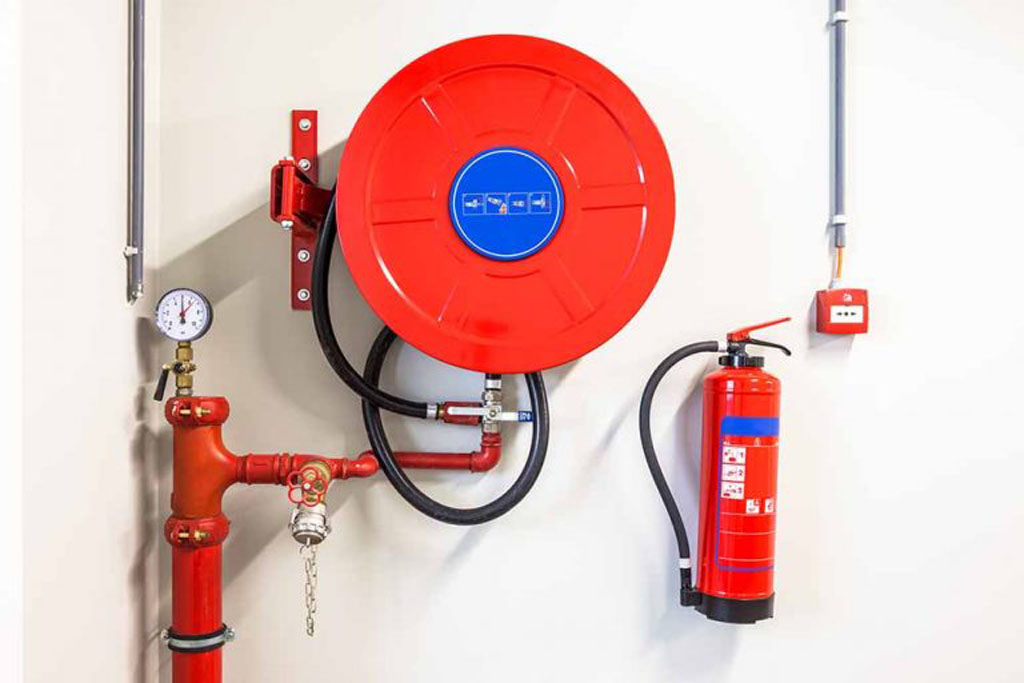
The SCDF requires detailed FP plans for all active fire protection systems, including automatic sprinkler systems, fire detection and alarm systems, smoke control systems, and emergency lighting. Each system must be designed in accordance with relevant codes and standards, with calculations and specifications that demonstrate adequate performance under fire conditions.
Integration between different fire protection systems is crucial for effective fire safety. Our consultants ensure that all systems work harmoniously, with appropriate cause-and-effect matrices that define system interactions. This integrated approach maximizes system effectiveness while minimizing unnecessary activations that can disrupt building operations.
Emergency lighting and exit signage are fundamental life safety provisions that guide occupants to safety when normal lighting fails. While conceptually simple, effective emergency lighting design requires careful consideration of illumination levels, coverage patterns, and system reliability. Modern LED technology offers improved efficiency and reliability but requires proper application.
Emergency lighting must provide adequate illumination along entire escape routes, including stairs, corridors, and final exits. Minimum illumination levels are specified in codes, but good design provides higher levels at critical decision points and areas requiring special attention. Anti-panic lighting in large spaces helps prevent crowd crushing incidents.
Exit signage must be clearly visible under both normal and emergency conditions. Photoluminescent signs offer fail-safe operation without electrical connections but require adequate charging illumination. LED exit signs provide consistent brightness but need reliable power supplies and periodic testing. Sign placement must consider viewing angles and potential obstructions.
Automatic sprinkler systems remain one of the most effective fire protection measures, with properly designed and maintained systems controlling or extinguishing over 90% of fires. However, effective sprinkler protection requires careful design that considers the specific fire hazards, building configuration, and water supply characteristics.
Fire detection and alarm systems provide early warning of fire conditions, enabling prompt evacuation and emergency response. Modern addressable systems offer sophisticated capabilities for pinpointing fire locations, reducing false alarms, and providing detailed system status information. However, realizing these benefits requires careful system planning and design.
Smoke control systems are essential for maintaining tenable conditions in escape routes and limiting smoke spread throughout buildings. These systems are particularly critical in high-rise buildings, underground spaces, and large volume spaces where natural smoke venting is insufficient. Effective smoke control requires sophisticated engineering that considers fire dynamics, building air flows, and system interactions.
The P&FM framework requires rigorous engineering analysis to demonstrate that proposed alternative solutions achieve defined performance objectives. This involves sophisticated fire and smoke modeling, evacuation analysis, and risk assessment. The approach demands higher levels of expertise but offers greater flexibility in achieving fire safety objectives while supporting architectural vision and operational requirements.
Performance-based solutions are particularly valuable for iconic buildings, heritage structures, and complex mixed-use developments. By focusing on actual fire performance rather than prescriptive rules, engineers can develop solutions that enhance safety while preserving architectural character or enabling innovative design features. However, this flexibility comes with increased responsibility for demonstrating safety through comprehensive analysis.
CFD modeling provides detailed three-dimensional analysis of fire and smoke behavior in complex spaces. These models solve fundamental equations of fluid flow, heat transfer, and combustion to predict temperature distributions, smoke movement, and visibility conditions. CFD is particularly valuable for analyzing smoke control in atriums, tunnels, and other large-volume spaces where simplified methods are inadequate.
Successful CFD modeling requires expertise in both fire science and numerical modeling. Model setup involves defining geometry, specifying boundary conditions, and selecting appropriate sub-models for turbulence, combustion, and radiation. Grid resolution must balance computational efficiency with accuracy. Sensitivity analysis ensures that results are robust to modeling assumptions.
Evacuation analysis is a critical component of performance-based design, demonstrating that occupants can reach safety before conditions become untenable. This requires understanding of human behavior in fire emergencies, which often differs significantly from idealized assumptions. Modern evacuation models incorporate behavioral factors such as pre-movement time, route choice, and social influences.
Available Safe Egress Time (ASET) versus Required Safe Egress Time (RSET) analysis forms the basis of evacuation assessment. ASET is determined through fire modeling, considering tenability criteria such as visibility, temperature, and toxic gas concentrations. RSET includes detection time, pre-movement time, and movement time. An adequate safety margin between ASET and RSET ensures robust life safety performance.
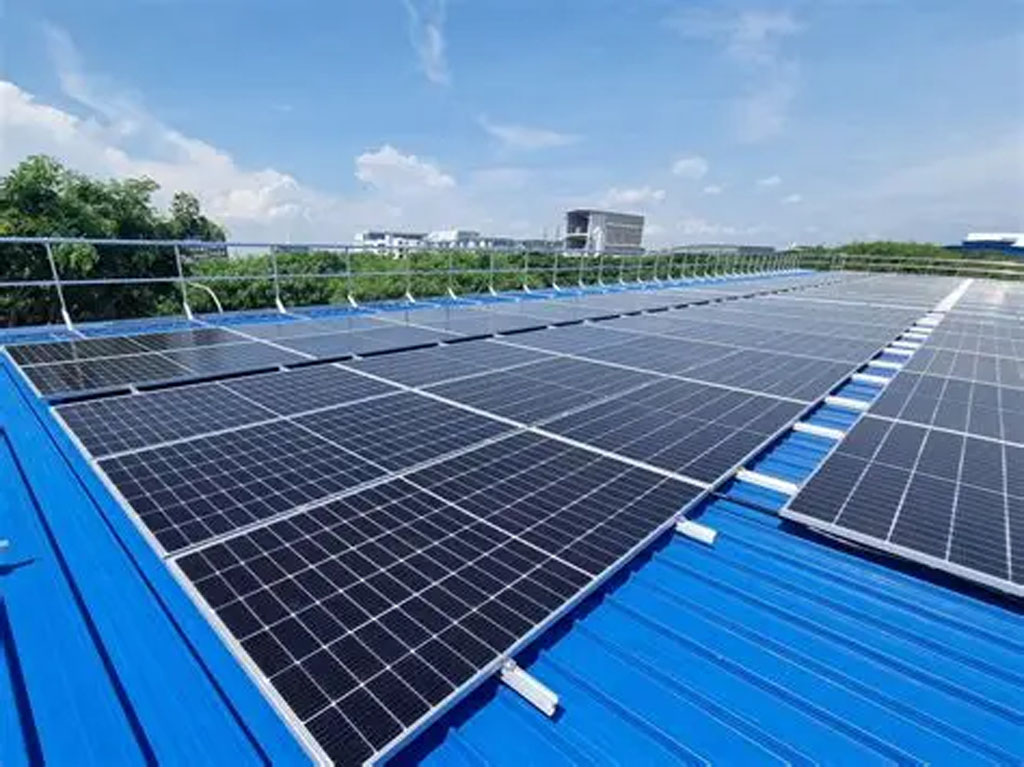
The rapid adoption of solar photovoltaic (PV) systems in Singapore presents unique fire safety challenges that require specialized expertise. Solar panel installations can impact fire fighting operations, create electrical hazards, and affect building fire performance. The SCDF has developed specific requirements for solar installations to address these concerns while supporting Singapore’s sustainable energy goals.
Solar panels introduce several fire safety considerations not present in traditional roofing systems. These include electrical shock hazards to fire fighters, potential ignition sources from electrical faults, obstacles to roof access and ventilation operations, and additional fire load from polymeric materials. Proper design and installation practices mitigate these risks while maintaining system performance.
SCDF requirements for solar installations focus on maintaining fire fighter access, ensuring electrical safety, and preserving building fire performance. These requirements have evolved based on international best practices and local operational experience. Understanding and implementing these requirements is crucial for successful MAA approval.