
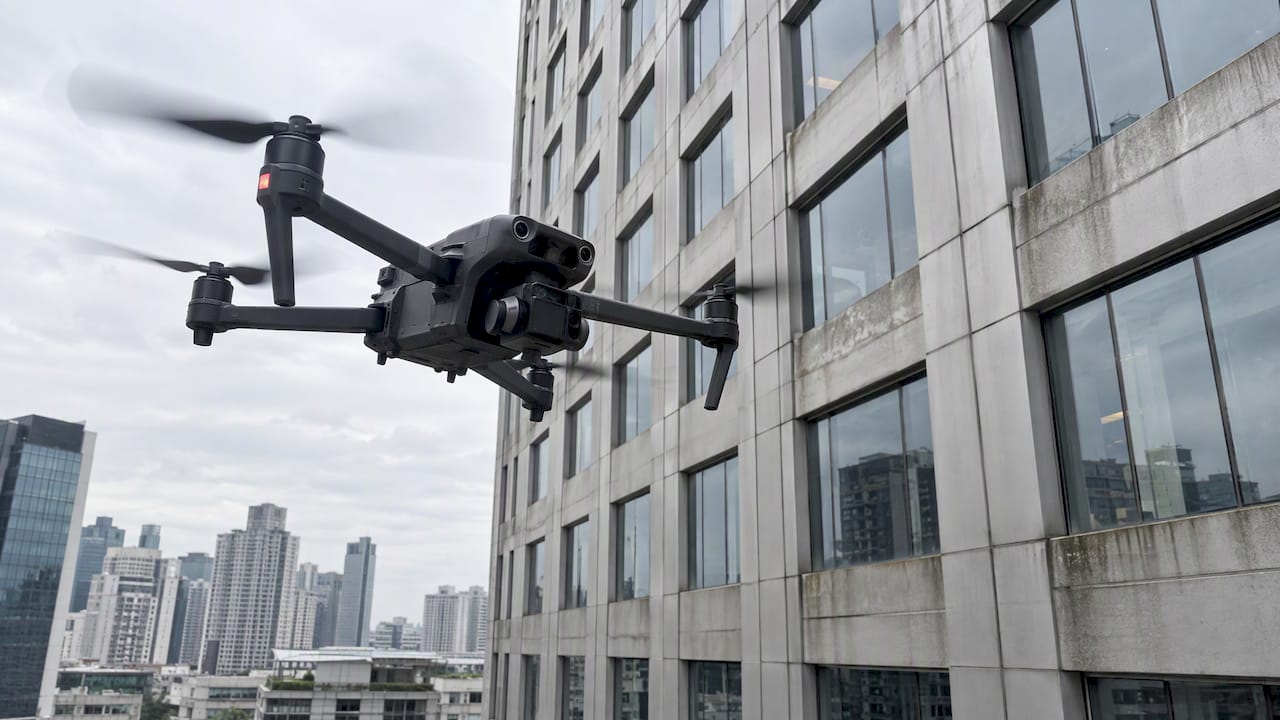
Technical due diligence (TDD) delivers a documented risk profile of a building’s structure, systems, and statutory standing, along with a costed remediation plan before money changes hands or a project moves forward. For property owners, developers, and investors in Singapore, that assessment stands on four regulatory anchors: BCA, URA, SCDF, and the mandatory Periodic Structural Inspection (PSI) and Periodic Façade Inspection (PFI) regimes.
TL;DR:
- Nonresidential buildings need PSI every 5 years and residential buildings every 10; owners must appoint a Structural Engineer after notice and submit the report to BCA.
- Buildings over 20 years old require façade inspections every seven years; missing records create an immediate statutory gap, even without visible damage.
- Lifts, escalators, and parking systems need annual testing by a contractor registered with BCA, with an independent Professional Engineer present; owners must keep permits valid.
- Unresolved fire system noncompliance can prevent Fire Certificate renewal and stall a sale, tenancy, or occupancy approval, so owners should address issues before renewal deadlines.
- Fees vary by asset size, specialist needs, and testing; confirm whether intrusive sampling or drone surveys are billed separately before approving a scope.
Table of Contents
- What a technical due diligence assessment actually inspects
- Singapore regulations that shape what your TDD report must verify
- When Singapore stakeholders should commission a TDD assessment
- The process and what you receive at the end
- How TDD findings change price, contracts, and approval timelines
- How Aman runs technical due diligence engagements in Singapore
- Timelines and who holds responsibility for statutory inspections
- Cost considerations and typical fee structures for TDD in Singapore
- How to select a competent technical due diligence consultant in Singapore
- Why early TDD matters more than a pre-transaction checkbox
- How we support your technical due diligence and approvals in Singapore
- FAQ
- Sources
What a technical due diligence assessment actually inspects
A thorough technical due diligence engagement covers the physical asset, its building services, and the paperwork that proves compliance. Leaving out any one of these leaves a gap in the risk picture.
On the physical side, the assessment examines the structural frame and foundations, the façade and cladding system, roofing and waterproofing, drainage, mechanical and electrical (M&E) plant, lifts, escalators, mechanized car parking systems (MCPS), and fire protection systems. Where the asset includes specialized infrastructure, such as a data center or an industrial plant, the scope extends to power redundancy, cooling systems, and building management systems specific to that use.
Document review runs in parallel with the physical survey:
- Approvals and as-built drawings from BCA, URA, and SCDF submissions.
- Maintenance logs and statutory testing records for fixed installations and fire systems.
- Warranties and vendor or service contracts tied to M&E equipment and façade works.
Inspection methods vary with risk. A visual walkdown covers most of the building, while intrusive sampling such as concrete coring or spalling checks applies where structural distress is suspected. Façade surveys increasingly use drone-based (UAS) imaging, carried out under the supervision of a Competent Person (CP), and M&E systems undergo functional testing rather than visual checks alone. Conserved buildings, data centers, and other high-risk assets require additional checks matched to their specific regulatory and operational conditions.
Singapore regulations that shape what your TDD report must verify
Technical due diligence in Singapore is only useful when it checks the assessment against the statutory regimes that govern the building’s ongoing legal status. Four of these carry the most weight for transaction and project decisions.
- Periodic Structural Inspection (PSI): non-residential buildings require inspection every 5 years and residential buildings every 10 years, with the owner appointing a Structural Engineer (SE) once a PSI notice is issued and submitting reports to BCA within the stipulated timeframe.
- Periodic Façade Inspection (PFI): buildings over 20 years old must be inspected every seven years, and a Competent Person must perform or supervise the inspection; accredited UAS providers can be used for visual façade inspection when noted in submissions.
- Fire Certificate (FC): SCDF requires inspection of fire protection and life-safety systems, with Qualified Persons certifying system tests before a Fire Certificate can be issued or renewed.
- Fixed installations: lifts, escalators, and MCPS must be tested annually by a BCA-registered contractor with an independent Professional Engineer present, and the owner holds the obligation to maintain a valid Permit to Operate.
- URA change-of-use: any new use must align with Master Plan zoning before planning permission is granted, and multi-agency clearance from SCDF, LTA, or NEA often follows.
A building over 20 years old that has never had a façade inspection carries an immediate statutory gap, since the seven-year PFI cycle applies regardless of whether the owner has tracked it. That gap surfaces quickly in any TDD exercise and often becomes the first line item on the remediation list.
When Singapore stakeholders should commission a TDD assessment
The right time to commission technical due diligence depends on what decision is riding on the outcome, not on a fixed calendar date.
- Pre-acquisition or investment review, where latent defects and compliance gaps can shift a valuation before terms are finalized.
- Major renovation, addition and alteration (A&A), or change-of-use projects, where conservation guidelines or Master Plan zoning constraints must be cleared before design proceeds.
- Lender, insurer, or investor-mandated review, where a third party requires an independent technical opinion before financing or underwriting.
- Specialized assets, such as data centers, where power, cooling, and redundancy checks go beyond a standard building survey.
- Statutory triggers, including an incoming PSI or PFI notice, or an FC renewal deadline that forces the question regardless of transaction timing.
The process and what you receive at the end
A typical TDD engagement in Singapore runs through a sequence that moves from paperwork to site work to a decision-ready report.
Scoping starts with a document request: approved drawings, prior authority submissions, maintenance and testing logs, and vendor or service contracts. On-site work follows with a visual survey of structure and façade, selective intrusive testing where defects are suspected, a drone-enabled façade survey carried out under CP supervision, and functional testing of M&E plant, lifts, and escalators. Regulatory cross-checks then confirm whether PSI, PFI, and FC status are current and whether fixed installations hold a valid Permit to Operate.
The final deliverables typically include:
- An executive summary ranking the findings by severity and urgency.
- A condition survey covering every system inspected.
- A prioritized risk register with remediation recommendations.
- Costed remedial estimates tied to each flagged item.
- A roadmap sequencing remediation work against authority submission deadlines.
For a mid-size commercial property, scoping through final report commonly spans several weeks, longer where intrusive testing or specialist data center checks are involved.
Pro Tip: Request the PSI and PFI submission history before the site visit begins; it tells the inspection team exactly where to look first.
How TDD findings change price, contracts, and approval timelines
Findings from a technical due diligence report rarely stay confined to a file. They move into negotiation, budgeting, and the statutory approval process.
- Significant defects or compliance gaps often trigger price adjustments, escrow holdbacks, or added warranty clauses in the sale agreement.
- Outstanding PSI, PFI, or FC issues can block occupancy or transaction completion until rectified, since authorities will not clear a building with lapsed statutory inspections.
- Remediation scope frequently pushes back authority submission timing and procurement windows, particularly when façade or structural repairs require their own permit before other works proceed.
- A usable TDD report converts directly into a remediation plan once the risk register is matched against realistic contractor costs and permit lead times.
How Aman runs technical due diligence engagements in Singapore
Our technical due diligence work draws on the same disciplines we apply to statutory submissions: Periodic Structural Inspection (PSI) and Periodic Façade Inspection (PFI), Fire Safety Certificate support, authority approvals, BIM-enabled inspection records, and feasibility studies. Engagements draw on a coordinated scope. Each engagement supports authority liaison through to project management, closing the gap between a finding and a resolved approval.
Timelines and who holds responsibility for statutory inspections
Responsibility for statutory inspections in Singapore sits squarely with the building owner, not the tenant or the managing agent, even when day-to-day coordination is delegated. The owner must act once a PSI notice is issued, appointing a Structural Engineer and submitting the report to BCA within the stipulated window. The same principle applies to PFI: the owner engages a Competent Person, who may use an accredited drone provider for the visual survey but remains personally accountable for the inspection output submitted to BCA.
Fixed installations follow a parallel but separate timeline. Lifts, escalators, and mechanized car parking systems require annual testing by a BCA-registered contractor, with an independent Professional Engineer present, and the owner must keep the Permit to Operate current to avoid an enforced shutdown.
Fire Certificate processes through SCDF require inspection of fire protection systems and system tests. Qualified Persons certify the fire protection systems, and any unresolved non-compliance halts certificate issuance, which in turn can stall a sale, a tenancy, or an occupancy permit. A TDD assessment commissioned ahead of any of these deadlines gives the owner time to close gaps before enforcement action becomes the alternative, rather than discovering a lapsed inspection mid-transaction.

Cost considerations and typical fee structures for TDD in Singapore
Technical due diligence fees in Singapore scale with the size of the asset, the number of specialist disciplines involved, and whether intrusive testing or drone-based façade surveys are required. A straightforward residential or small commercial property with a standard structural and M&E review costs less than a high-rise commercial tower needing façade drone surveys, lift testing, and fire system verification across multiple floors.
Fee structures generally fall into two patterns: a fixed project fee scoped against a defined set of systems and deliverables, or a time-and-disbursement arrangement where specialist testing, drone inspection, or laboratory sampling is billed separately from the core assessment. Specialized assets, such as a data center requiring power redundancy and cooling system checks, typically carry a premium over a standard commercial TDD scope because of the additional engineering disciplines involved.
Because none of our services carry a published flat rate, we quote based on the building’s size, the scope agreed during the scoping call, and the number of statutory regimes that need verification. Readers commissioning TDD should request a scope-based quote rather than a general estimate, since a quote built on a document review alone will miss the cost of any intrusive testing or specialist survey the asset actually needs.

How to select a competent technical due diligence consultant in Singapore
The strongest signal of competence is whether the consultant’s team holds the specific statutory roles Singapore regulations require, not just general engineering experience.
A credible TDD provider should field a Structural Engineer for PSI, a façade Competent Person for PFI, M&E specialists capable of functional testing rather than visual inspection alone, and a fire Qualified Person able to assess Fire Certificate compliance. For buildings in conservation areas, the team should also understand URA’s restoration guidelines well enough to flag heritage constraints before they derail a renovation plan.
Beyond credentials, ask how the firm documents its findings. A report that stops at a condition description without a costed remediation plan and an authority-submission roadmap leaves the reader with a diagnosis but no path to resolution. Firms that coordinate statutory submissions directly, rather than handing findings off to a separate consultant, tend to shorten the gap between the TDD report and a cleared approval.
Why early TDD matters more than a pre-transaction checkbox
The PSI and PFI regimes keep tightening in practice, and owners who treat technical due diligence as a one-time transaction formality tend to rediscover the same defects years later, at higher remediation cost and under enforcement pressure. Our view is that TDD works best as ongoing lifecycle risk management tied to the statutory calendar, not a document produced once and filed away.
— Aman
How we support your technical due diligence and approvals in Singapore
Our team runs Periodic Structural Inspection (PSI), Periodic Façade Inspection (PFI), and Fire Safety Certificate support alongside authority approvals, 3D BIM, and feasibility studies, all coordinated under one scope rather than handed between separate consultants.
A typical engagement starts with a scoping call, a document checklist covering your existing approvals and maintenance records, and a site visit scheduled around your transaction or project timeline. From there, we liaise directly with BCA, URA, and SCDF on your behalf to close out findings. Reach out through our authority approvals page to request a scoping call or a document checklist for your property.
FAQ
What is technical due diligence in a Singapore property context?
Technical due diligence is an assessment of a building’s structural, mechanical, electrical, and fire safety condition, checked against its statutory compliance record. In Singapore, that record centers on PSI, PFI, and Fire Certificate status, since lapses in any of these can block a transaction or an occupancy decision.
How often are PSI and PFI inspections required?
Periodic Structural Inspection applies every 5 years for non-residential buildings and every 10 years for residential buildings, while Periodic Façade Inspection applies every seven years for buildings over 20 years old. Both require sign-off from a registered Professional Engineer or Competent Person before submission to BCA.
Who is responsible for arranging statutory inspections?
The building owner holds legal responsibility for arranging PSI, PFI, fixed installation testing, and Fire Certificate renewal, even where a managing agent handles day-to-day coordination. Failure to act on a PSI notice or a lapsed Permit to Operate falls back on the owner.
Does changing a property’s use require a separate technical review?
Yes, changing a property’s use requires planning permission from URA, and the building must also meet the requirements of other agencies such as SCDF, LTA, or NEA depending on the new use. A technical due diligence review before applying confirms whether the building can meet those change-of-use requirements without major retrofitting.
How much does technical due diligence typically cost in Singapore?
Fees scale with building size, the number of disciplines involved, and whether drone façade surveys or intrusive testing are needed, so no flat rate applies across projects. We quote based on the agreed scope during a scoping call rather than a generic estimate; contact us through our authority approvals page for a scope-based quote.
Sources
- Changing the Use of Your Property | Urban Redevelopment Authority (URA)
- Www1
- Periodic Structural Inspection (PSI) | Building and Construction Authority
- Periodic Facade Inspection (PFI) | Building and Construction Authority