

So, you’re building something in Singapore? That means you’ll definitely need to get familiar with the Singapore Civil Defence Force (SCDF) and their rules. It’s not just about putting up walls; it’s about making sure everything is safe, especially when it comes to fire. Getting the right paperwork, like the SCDF fire safety certificate, is a big part of this. Let’s break down why this is so important for your development and your insurance.
Key Takeaways
- The SCDF fire safety certificate is a mandatory document proving a building meets fire safety standards.
- Regular inspections and audits are required to maintain compliance and renew the fire safety certificate annually.
- Integrating fire safety early in the building plan submission process is vital for SCDF approval.
- Non-compliance with fire safety regulations, including lacking a valid SCDF fire safety certificate, can lead to policy voidance and denied insurance claims.
- Understanding the SCDF’s role and requirements is critical for avoiding legal issues and financial losses related to fire safety.
Understanding The SCDF Fire Safety Certificate
The Mandatory Fire Safety Certificate (FSC)
In Singapore, getting a Fire Safety Certificate (FSC) isn’t just a formality; it’s a legal requirement for most buildings before anyone can move in or use them. Think of it as the official stamp of approval from the Singapore Civil Defence Force (SCDF) saying your building meets all the necessary fire safety standards. This applies to new constructions, major renovations, and even changes in how a building is used if those changes affect fire safety. Without a valid FSC, a building is essentially operating illegally and could face serious consequences. It’s a critical document that confirms fire prevention measures, escape routes, and emergency systems are in place and functional. This certificate is a crucial aspect of fire safety compliance. A valid fire safety certificate is mandatory.
Annual Renewal For Ongoing Compliance
Getting an FSC once isn’t the end of the story. For many buildings, especially those with active fire protection systems like sprinklers or alarms, the FSC needs to be renewed every year. This annual renewal process is designed to make sure that fire safety systems don’t just get installed and then forgotten. It means regular checks, tests, and maintenance are carried out to keep everything in working order. This ongoing commitment to compliance is what really keeps buildings safe over the long haul, rather than just at the point of initial approval. It’s a proactive way to manage fire risks.
Ensuring Building Safety Through Regular Audits
To back up the FSC and its renewal, the SCDF conducts regular audits and inspections. These aren’t just random checks; they’re systematic reviews to ensure that buildings continue to meet fire safety standards after they’ve been occupied. Inspectors look at things like:
- Escape Routes: Are they still clear and unobstructed?
- Fire Alarms and Extinguishers: Are they working correctly and readily accessible?
- Fire Suppression Systems: Are they maintained and operational?
- General Housekeeping: Is the building free from fire hazards?
These audits are vital because buildings change over time. Occupancy might increase, materials might be stored differently, or minor alterations might be made that could impact safety. Regular checks help catch these issues before they become serious problems. The SCDF provides details on permits and certifications that outline these requirements.
The FSC system is more than just paperwork; it’s a framework designed to ensure that fire safety is a continuous priority, not a one-time task. This commitment is what helps maintain Singapore’s strong record in fire prevention and response.
Navigating Building Plan Submissions For Fire Safety
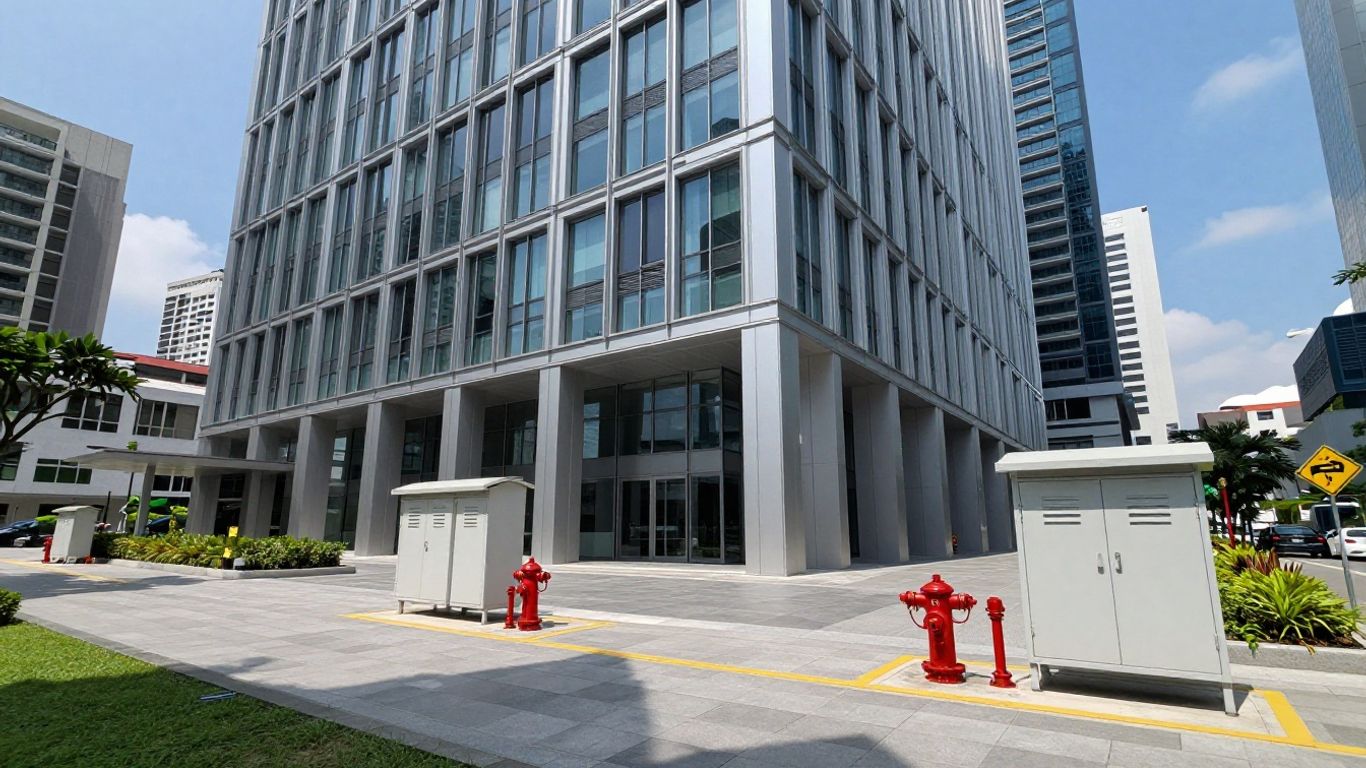
Getting a new building off the ground, or even just making significant changes to an existing one, involves a lot of paperwork. A big chunk of that is making sure the Singapore Civil Defence Force (SCDF) is happy with your fire safety plans. This isn’t just a box-ticking exercise; it’s about making sure everyone inside is safe if something goes wrong. The whole process starts way before the first brick is laid, right in the design phase.
Integrating Fire Safety Early In Design
Honestly, trying to add fire safety features after the building is mostly done is a recipe for disaster, both in terms of cost and effectiveness. It’s way smarter to think about fire safety from the very beginning. This means considering things like how people will get out quickly if there’s a fire, what materials you’re using, and how to stop a fire from spreading.
- Escape Routes: Are the corridors wide enough? Are the exits clearly marked and easy to find, even in a smoky haze? This needs to be planned out.
- Materials: Using materials that don’t burn easily is a no-brainer. The SCDF has specific standards for fire resistance, and you need to make sure your chosen materials meet them.
- Active and Passive Systems: This covers everything from smoke detectors and sprinklers (active) to fire-rated walls and doors (passive). They all need to work together.
It’s about building safety in, not just slapping it on later. This proactive approach is key to a smooth approval process. You can find more details on the requirements for these submissions on the SCDF’s building plan submission page.
SCDF Review Of Building Plans
Once you’ve got your designs ready, they need to go to the SCDF for a look-over. They’re not just checking if you’ve followed the rules; they’re making sure the proposed fire safety strategy actually makes sense for the building’s intended use and how many people will be in it. This review covers a lot of ground, from how people escape to how well the building’s structure can hold up against a fire.
Here’s a quick look at what they’re checking:
- Means of Escape: This is a big one. They check travel distances, the number and width of escape routes, and whether emergency exits are properly signed and lit.
- Fire Resistance: They look at the fire ratings of walls, floors, doors, and structural elements to make sure they can contain a fire for a specified period.
- Fire Fighting Access: Ensuring firefighters can get to where they need to be is also part of the plan.
The SCDF’s review process is thorough. They examine everything from the layout of escape routes to the fire resistance of building materials. Missing even small details, like specific clearances around roof hatches for solar panels, can lead to immediate rejection. It’s vital to get these plans right the first time.
Key Components Of Building Plan Submissions
So, what exactly do you need to submit? It’s more than just a few drawings. You’ll be submitting detailed plans that show exactly how the building is designed with fire safety in mind. This usually includes:
- Fire Safety Plan: This is the main document. It highlights escape routes, fire compartmentation (how the building is divided to stop fire spread), and the location of fire safety equipment.
- Architectural Drawings: These show the overall layout, room layouts, and how different spaces are arranged.
- Structural Drawings: These detail the building’s structure and how it’s designed to withstand fire.
- Mechanical and Electrical (M&E) Plans: This includes details on fire alarm systems, sprinkler systems, ventilation for smoke control, and emergency lighting.
It’s a lot to get right, and it’s why engaging a Qualified Person (QP) early on is so important. They know exactly what the SCDF is looking for and can help put together a submission that meets all the requirements.
Essential Fire Safety Inspections And Certifications
Role Of Registered Inspectors
When it comes to fire safety in Singapore, you’ll often hear about Registered Inspectors (RIs). These aren’t just any inspectors; they’re professionals who are officially registered with the Singapore Civil Defence Force (SCDF). Their job is pretty important. They’re the ones who go in and check if your building’s fire safety measures actually meet all the rules and regulations set out by the SCDF. Think of them as the gatekeepers of fire safety compliance. Engaging a registered inspector is a legal requirement for many buildings and fire systems, and it’s a big step towards making sure your property is safe for everyone inside. They have the know-how to spot potential issues that a regular person might miss. It’s all about having that certified stamp of approval that says, ‘Yes, this place is up to par with fire safety standards.’
Frequency Of Fire Safety Inspections
How often do these inspections need to happen? Well, it’s not a one-and-done deal. The frequency really depends on the type of building and the fire safety systems it has. For most active fire protection systems, like alarms and sprinklers, you’re looking at annual checks. It’s like getting your car serviced every year to make sure it’s running smoothly. Then there are things like structural fire safety assessments, which might be required every five years for certain buildings. Plus, if you’re doing any major renovations or changing how a space is used, that usually triggers a new inspection requirement. It’s a good idea to have a system in place to track these dates so you don’t miss any.
Here’s a general idea of inspection schedules:
- Annual Inspections: Typically required for active fire protection systems (alarms, sprinklers, extinguishers, emergency lighting).
- Five-Year Inspections: May be needed for structural fire safety assessments in specific building types.
- Event-Triggered Inspections: Required after major renovations, additions, or changes in building use.
Architectural And Mechanical Inspection Services
Fire safety isn’t just about the alarms and sprinklers; it’s also built into the very structure and systems of a building. That’s where architectural and mechanical inspections come in. Registered architectural inspectors look at things like how well fire doors are installed, the fire resistance of walls and floors, and if the escape routes are clear and safe. They’re checking the passive fire protection elements. On the mechanical side, inspectors focus on systems like air conditioning and ventilation (ACMV) to see how they handle smoke and fire, and they check pressurization systems for staircases. These inspections make sure that the building’s design and its operational systems work together to keep people safe during a fire. It’s a pretty detailed process, ensuring that every part of the building plays its role in fire safety. You can find more details on fire protection systems and how they’re assessed.
Regular fire safety inspections are more than just a regulatory hoop to jump through. They are a vital part of keeping everyone safe and protecting property. By identifying potential hazards early and ensuring all systems are in good working order, these inspections help prevent fires from starting or spreading, and they make sure that occupants can evacuate safely if the worst happens. It’s a proactive approach that saves lives and reduces potential damage.
Critical Fire Protection Systems And Structural Integrity
Assessment of Active Fire Protection Systems
When we talk about fire safety, active systems are the ones that actually do something when a fire starts. Think sprinklers, fire alarms, smoke detectors, and suppression systems. These aren’t just decorative; they’re designed to detect a fire early and respond automatically. The Singapore Civil Defence Force (SCDF) really emphasizes that these systems need to be top-notch and working perfectly. This means regular checks and tests to make sure they’ll actually work when you need them most. It’s not enough to just install them; they need to be maintained and certified regularly. This includes checking things like:
- Sprinkler Systems: Ensuring proper water pressure, coverage, and that heads aren’t blocked or damaged.
- Fire Alarm & Detection: Testing detectors, manual call points, and the central alarm panel to confirm they activate correctly and signal the right zones.
- Smoke Control Systems: Verifying that mechanical ventilation and pressurization systems for escape routes and fire compartments function as designed.
- Emergency Lighting & Exit Signs: Making sure these are operational and clearly visible during a power outage.
Review of Structural Fire Safety Measures
Beyond the active systems, there’s the building’s structure itself. How does it hold up when things get hot? This is about passive fire protection – things like fire-rated walls, floors, and doors that are built into the structure to slow down or stop fire and smoke from spreading. It also includes the fire resistance of the building’s main structural elements, like steel beams or concrete columns. The goal here is to give people enough time to get out safely and to prevent the building from collapsing too quickly. This involves looking at:
- Fire Resistance Ratings: Confirming that materials used for walls, floors, and doors meet the required fire resistance levels.
- Structural Stability: Assessing how the building’s frame will behave under fire conditions, ensuring it maintains integrity for a specified period.
- Compartmentation: Checking that fire barriers and fire doors are properly installed and sealed to prevent fire and smoke from moving between different areas of the building.
Compliance Documentation For SCDF
All of this – the active systems and the structural measures – needs to be properly documented. The SCDF requires detailed records to prove that everything is up to code. This isn’t just about passing an inspection; it’s about having a clear paper trail that shows the building’s fire safety features have been designed, installed, and maintained correctly. This documentation is absolutely vital for getting and keeping your Fire Safety Certificate (FSC). It typically includes:
- Approved Building Plans: Showing the original design and any approved amendments.
- Inspection Reports: Records from Qualified Persons (QPs) and Registered Inspectors (RIs) detailing their checks.
- System Test Certificates: Proof that active fire protection systems have been tested and are functioning.
- Material Certifications: Documentation for fire-rated materials used in construction.
Without this solid documentation, proving compliance becomes a real challenge, and that can have serious implications for your insurance and overall building safety. It’s all part of the Singapore Fire Code requirements that aim to keep everyone safe.
Regulatory Framework For Hazardous Materials
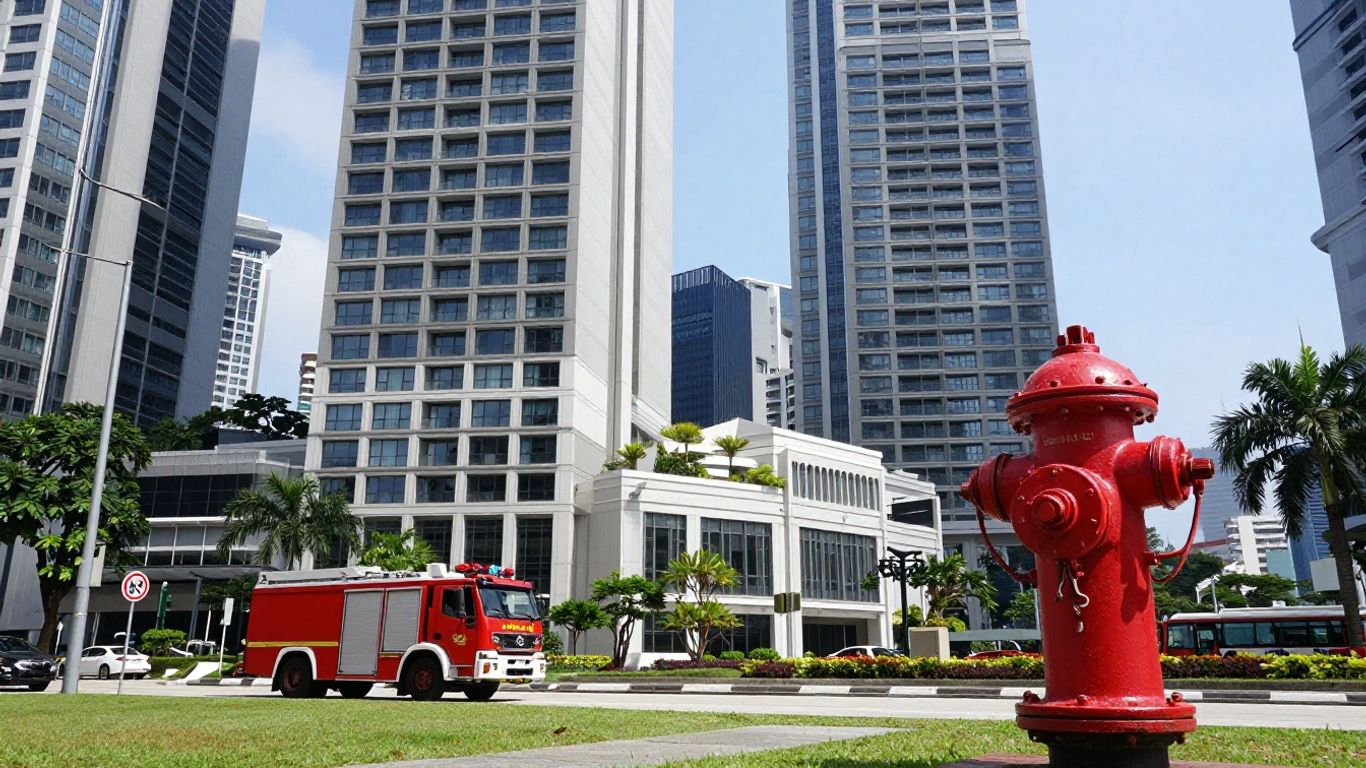
When you’re dealing with materials that could easily catch fire or cause other problems, Singapore has some pretty specific rules in place. It’s all managed by the Singapore Civil Defence Force (SCDF), and they’ve got a whole system for it, especially when it comes to storing things like petroleum and other flammable stuff. This isn’t just about having a license; it’s about making sure everything is handled safely from the get-go.
SCDF Petroleum & Flammable Material Storage License
If you’re storing petroleum or flammable materials (P&FM) in Singapore, and you’ve got more than a certain amount, you’ll definitely need a license from the SCDF. This license is a big deal because it means your facility has been checked and meets the safety standards for storing these kinds of substances. The whole point is to prevent fires and explosions. The process usually involves submitting detailed plans and, in some cases, a risk assessment. For example, if you’re storing diesel tanks on JTC land, you’ll need JTC’s okay first, then submit to SCDF, and also let the National Environment Agency (NEA) know. It’s a multi-agency thing sometimes.
Fundamental Principles Of P&FM Regulation
The SCDF’s approach to regulating hazardous materials is pretty straightforward: it’s all about managing risk. They look at what you’re storing, how much you have, and where it is, then decide what safety measures are needed. This means that if something is more dangerous, the rules are stricter. It’s a sensible way to make sure safety efforts are focused where they’re most needed. The main law guiding all of this is the Fire Safety Act, which sets the basic requirements for handling these materials safely. It’s the foundation for everything else.
Distinguishing SCDF P&FM From Other Agencies
It’s easy to get confused with all the different government bodies, but when it comes to storing flammable materials, the SCDF is your go-to. While other agencies might look at environmental protection or worker safety in a general way, the SCDF’s P&FM licensing is specifically focused on the fire and explosion risks. They have their own set of rules and standards tailored just for these hazards. So, if your business involves chemicals that fall under the P&FM category, the SCDF is the authority you need to work with. They’re the ones who really understand the specific dangers involved and how to mitigate them. For a quick reference on hazardous materials, there are handy apps available that can help you identify substances and understand immediate actions, like the ERG 2024 app.
Here’s a quick look at some common threshold quantities that might require a license:
| Material Class | Storage Type | Threshold Quantity |
|---|---|---|
| Class 0 Petroleum | Above Ground | > 5,000 liters |
| Class 0 Petroleum | Underground | > 20,000 liters |
| Class I Petroleum | Above Ground | > 20,000 liters |
| Class I Petroleum | Underground | > 40,000 liters |
| Flammable Gases | Aggregate | > 1,000 liters (cylinder water capacity) |
Keeping your facility compliant isn’t a one-off task. It requires ongoing attention to detail and a commitment to safety protocols. Regularly reviewing your chemical register, checking that all exits are clear, and maintaining a clean, well-organized storage area are all part of this continuous process. It’s about building a safety culture within your operations.
Remember, drivers who transport these materials also have specific training requirements. They must complete the Hazardous Materials Transport Driver Course accredited by the SCDF.
The Application Process For Fire Safety Compliance
Getting your building to meet fire safety standards isn’t just about installing alarms and sprinklers; it’s a structured process involving several key steps. Think of it like building a house – you need a solid plan and then you follow it step-by-step. The Singapore Civil Defence Force (SCDF) has laid out a clear path to ensure everything is done right, from the initial idea to the final sign-off.
Pre-Application Consultation With SCDF
Before you even start drawing up detailed plans, it’s a good idea to have a chat with the SCDF. This initial consultation is where you can discuss your project’s scope, what you’re planning to build or renovate, and any potential fire safety issues you foresee. It’s like getting a heads-up on what they’ll be looking for. This step helps avoid surprises down the line and ensures you’re on the right track from the very beginning. They can offer guidance on specific requirements based on your building’s intended use and size.
Qualified Person Appointment And Design Development
Next up, you need to appoint a Qualified Person (QP). This is a professional registered with the SCDF who will take legal responsibility for the fire safety aspects of your project. Choosing the right QP is super important because their expertise will guide the entire design process. They’ll work with you and your design team to develop detailed plans that meet all the SCDF’s requirements and relevant standards. This phase involves creating things like fire safety plans, sectional details, and fire protection layouts, all coordinated with architectural and structural drawings. It’s all about making sure the building is designed with safety built-in, not just added on later.
Plan Submission And SCDF Review Process
Once the plans are ready, they need to be submitted to the SCDF. This is usually done electronically through their systems. The SCDF then gets to work reviewing everything. They’ll check if your plans align with the Fire Code and other regulations. Sometimes, they might have questions or ask for clarifications, which is totally normal. This review process can take a bit of time, so it’s good to factor that into your project schedule. If everything checks out, you’ll get approval to proceed. It’s a thorough check to make sure the building is designed to be safe.
Construction, Testing, And Final Certification
With the plans approved, construction can begin. As the building takes shape, it needs to be built according to those approved plans. Once construction is complete, the real testing starts. All the fire safety systems – alarms, sprinklers, emergency lighting, you name it – need to be tested and commissioned to make sure they work as intended. After that, a Registered Inspector (RI) will come in to conduct a final inspection. They’ll verify that the building has been constructed according to the approved plans and that all fire safety measures are in place and functional. The RI will then issue certificates confirming compliance. This whole process is designed to confirm that the building is safe for occupation and meets all the necessary fire safety standards before it’s officially certified. This is a big step towards getting your Fire Safety Certificate (FSC).
Fire Safety Certificate (FSC) Issuance
After all the inspections and certifications are done, and the SCDF is satisfied that the building meets all fire safety requirements, they will issue the Fire Safety Certificate (FSC). This document is your official proof that the building is compliant. It’s not just a piece of paper; it’s a testament to the safety of the structure and its occupants. Remember, this certificate often needs to be renewed annually, so it’s an ongoing commitment to maintaining fire safety standards. Without this, you might face issues with insurance and legal operations.
Fire Insurance Implications Of Non-Compliance
So, you’ve put a lot of effort into getting your development up to code with the Singapore Civil Defence Force (SCDF) requirements, and that’s great. But what happens if, for whatever reason, you miss a step or fall behind on maintaining compliance? It’s not just about potential fines or warnings from the SCDF; it can have a pretty big impact on your fire insurance.
Policy Voidance Due To Lack Of FSC
This is probably the most significant financial risk. Most fire insurance policies have clauses that require the insured property to be compliant with all relevant regulations, including fire safety standards. If a fire breaks out and it’s discovered that the building doesn’t have a valid Fire Safety Certificate (FSC) or has uncertified alterations, the insurance company can, and likely will, deny your claim. It’s not uncommon for insurers to investigate the certification status of a property after a fire. If they find a breach, like an expired FSC or unapproved modifications, they can argue that the policy conditions have been violated. This can leave you, the building owner, responsible for the entire cost of the damage, which could be astronomical. It’s a harsh reality, but it’s how the system works to encourage strict adherence to safety rules.
Legal Ramifications Of Operating Without Certification
Beyond insurance, operating a building without the necessary certifications, like a valid FSC, can lead to serious legal trouble. The SCDF has the authority to issue fines, stop-work orders, and in severe cases, even closure orders for non-compliant premises. Imagine your business being shut down because of a fire safety lapse – that’s a huge disruption. These penalties aren’t just minor inconveniences; they can cripple a business financially and damage its reputation significantly. The penalties can range from substantial fines to imprisonment, depending on the severity of the offense and the risk posed to public safety. It really underscores why staying on top of your fire safety compliance is so important.
The Critical Role Of FSC In Insurance Claims
Think of the FSC as your golden ticket when it comes to making an insurance claim. It’s the primary piece of evidence that shows you’ve done your due diligence in maintaining a safe environment. Without it, the claims process can become incredibly complicated and contentious. Insurers rely on this certification to assess risk and to validate claims. If you have a valid FSC, it simplifies the process significantly, allowing for a smoother resolution should an incident occur. It’s not just about getting paid; it’s about having peace of mind knowing that your assets are protected as they should be. For businesses dealing with potentially hazardous materials, understanding the specific requirements for a Petroleum & Flammable Material Storage License is also directly tied to insurance coverage and risk management.
Wrapping It Up
So, there you have it. Making sure your building has the right paperwork, especially that Fire Safety Certificate, is a pretty big deal in Singapore. It’s not just about following rules; it’s about keeping everyone safe and making sure your insurance actually covers you if something bad happens. Skipping these steps can lead to some serious headaches, like fines or insurance claims getting denied. It might seem like a lot of hoops to jump through, but getting it right from the start saves a ton of trouble later on. Always best to check with the experts and make sure everything is in order.
Frequently Asked Questions
What exactly is a Fire Safety Certificate (FSC)?
Think of a Fire Safety Certificate (FSC) as an official stamp of approval. It’s a document that proves your building meets all the important fire safety rules set by the Singapore Civil Defence Force (SCDF). You need this certificate before people can safely use a new building or a part of it that’s been changed.
Why do I need to renew my Fire Safety Certificate every year?
Fire safety isn’t a one-time thing! Renewing your FSC yearly means that the building’s safety features, like alarms and sprinklers, are checked regularly. This ensures they’re always working correctly to keep everyone safe, even as the building gets older or changes over time.
What happens if my building doesn’t have a valid Fire Safety Certificate?
Not having a valid FSC is a big problem. It means your building isn’t officially approved for use, which can lead to fines. More importantly, if something bad happens, like a fire, your fire insurance might not cover any damages. It’s like trying to drive without a license – you’re breaking the rules and leaving yourself unprotected.
Who decides if my building’s fire safety plans are good enough?
The Singapore Civil Defence Force (SCDF) is the main authority that reviews and approves fire safety plans. Architects and engineers submit detailed plans showing how the building will be safe from fire, and the SCDF checks if these plans follow all the rules in the Fire Code.
When should fire safety be considered in a new development?
Fire safety needs to be thought about right from the very beginning, even before you start drawing up the building plans. It’s much easier and cheaper to include fire safety features in the initial design rather than trying to add them later. This way, safety is built into the structure from the ground up.
What’s the difference between an FSC and a Temporary Fire Permit (TFP)?
An FSC is the full, permanent approval showing a building meets all fire safety standards. A TFP is like a temporary pass. It might be given if there are very minor issues that don’t pose a big risk, allowing the building to be used for a short time while the problems are fixed. The FSC is the ultimate goal for full safety compliance.