
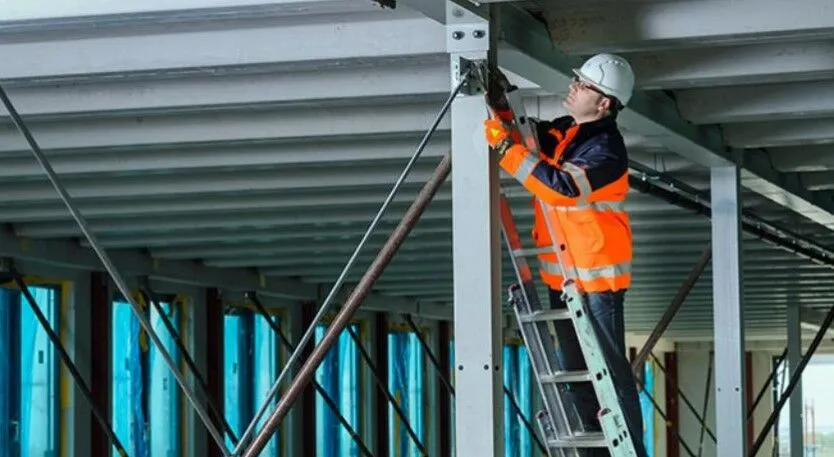
The Building and Construction Authority (BCA) Periodic Structural Inspection (PSI) is a mandatory safety assessment program in Singapore designed to ensure the structural integrity and safety of buildings throughout their lifecycle. This comprehensive inspection system was established under the Building Control Act and Building Control Regulations to protect occupants and the public from potential structural failures.
Residential buildings in Singapore range from public housing estates to luxury condominiums, each presenting unique inspection challenges and requirements. The PSI approach for residential buildings must consider factors such as building age, construction methods, occupancy patterns, and maintenance practices.
Public housing developments managed by the Housing Development Board (HDB) represent a significant portion of Singapore’s residential stock and have specific inspection protocols developed in consultation with HDB. Private residential developments, including condominiums and landed properties, require assessments tailored to their specific design characteristics and maintenance arrangements.
Specialized PSI services for HDB flats and estates, addressing the unique characteristics of public housing design and construction.
Comprehensive PSI services for private residential developments, focusing on common areas, facilities, and building envelope systems.
Specialized inspection services for landed residential properties, including terrace houses, semi-detached, and detached homes.
| Priority Level | Building Elements | Inspection Focus | Frequency |
|---|---|---|---|
| Critical | Load-bearing walls, columns, beams | Structural integrity and safety | Every inspection cycle |
| High | Balconies, facades, common corridors | Safety and weather resistance | Detailed annual assessment |
| Medium | Roof systems, mechanical rooms | Performance and maintenance needs | Bi-annual evaluation |
| Low | Landscaping structures, signage | General condition and compliance | Routine maintenance inspection |
Commercial buildings present unique challenges due to their complex systems, high occupancy loads, and diverse usage patterns. PSI for commercial buildings must address not only basic structural integrity but also the performance of integrated building systems that support commercial operations.
Commercial building assessments consider factors such as flexible space configurations, heavy equipment installations, intensive usage patterns, and the need for minimal disruption to business operations. Our commercial PSI services are designed to work within these constraints while ensuring comprehensive assessment of building safety and performance.
Commercial buildings often feature large open spaces, complex HVAC systems, sophisticated facade systems, and frequent tenant modifications. PSI services must account for these factors while ensuring that assessments are conducted efficiently and with minimal disruption to ongoing commercial activities.
Office buildings require specialized assessment approaches that consider open floor plans, raised flooring systems, suspended ceilings, and intensive MEP installations. The inspection must evaluate how these systems interact with the building structure and identify any potential impacts on structural performance.
Retail buildings and shopping centers have unique structural requirements due to large spanning structures, high public occupancy, and diverse tenant requirements. PSI services for retail facilities must address these special considerations while ensuring public safety and operational continuity.
Shopping centers often feature complex multi-level structures with atriums, escalators, and large public spaces that require specialized assessment approaches. The inspection must consider both structural integrity and the performance of systems that support retail operations and public safety.
Assessment of long-span roof and floor systems that create large open retail spaces, including evaluation of deflection, vibration, and long-term performance.
Evaluation of escalators, elevators, and circulation systems that connect multiple retail levels, focusing on structural support and safety systems.
Specialized assessment of atriums, food courts, and other public gathering spaces that experience high occupancy loads and intensive use.
Industrial buildings present unique inspection challenges due to heavy equipment installations, dynamic loading conditions, and specialized operational requirements. PSI services for industrial facilities must address these factors while ensuring worker safety and operational reliability.
Industrial building assessments require understanding of manufacturing processes, equipment loads, vibration effects, and environmental conditions that may affect structural performance. Our industrial PSI services are tailored to address these specific requirements while minimizing disruption to production operations.
Commercial buildings often feature large open spaces, complex HVAC systems, sophisticated facade systems, and frequent tenant modifications. PSI services must account for these factors while ensuring that assessments are conducted efficiently and with minimal disruption to ongoing commercial activities.
Warehouse facilities require assessment of high-bay storage systems, heavy floor loads, and material handling equipment. The inspection must evaluate the building's capacity to support evolving storage requirements and equipment configurations.
Mixed-use developments combine residential, commercial, and sometimes industrial functions within single structures or integrated complexes. These buildings require comprehensive assessment approaches that address the unique challenges of multiple occupancy types and integrated building systems.
Mixed-use buildings often feature complex structural transitions between different occupancy zones, shared mechanical systems, and integrated parking structures. The PSI process must address these complexities while ensuring that all building components receive appropriate assessment attention.
Mixed-use developments present unique challenges including structural transitions between different occupancy types, shared building systems, complex egress requirements, and coordination between multiple building owners or managers. Our assessment approach addresses these complexities through integrated evaluation methodologies.
Many mixed-use developments include integrated parking structures that serve multiple building functions. These structures require specialized assessment considering factors such as vehicle loads, drainage systems, ventilation requirements, and interface with other building components.
| Parking Structure Element | Assessment Focus | Key Considerations | Inspection Frequency |
|---|---|---|---|
| Structural Slabs | Load capacity and durability | Vehicle loads, water exposure | Annual detailed inspection |
| Drainage Systems | Water management effectiveness | Clogging, structural impact | Bi-annual assessment |
| Expansion Joints | Movement accommodation | Sealing, structural continuity | Annual inspection |
| Traffic Bearing Surfaces | Wear and safety | Surface condition, marking | Routine maintenance review |
Specialized structures such as hospitals, schools, sports facilities, and cultural buildings have unique design requirements and operational constraints that necessitate tailored PSI approaches. These buildings often feature specialized structural systems, critical operational requirements, and enhanced safety considerations.
Assessment of specialized structures requires understanding of their unique operational requirements, regulatory constraints, and performance criteria. Our specialized structure PSI services address these requirements while ensuring minimal disruption to critical operations.
Hospitals and medical facilities require specialized assessment considering critical operations, infection control requirements, and enhanced safety standards.
Schools and universities require assessment approaches that consider high occupancy, diverse activities, and enhanced safety requirements for vulnerable populations.
Sports facilities require specialized assessment of large-span structures, dynamic loading conditions, and high-capacity assembly areas.
Non-destructive testing plays a crucial role in modern PSI, enabling assessment of concealed structural elements and material properties without damaging building components. Our comprehensive NDT capabilities provide detailed information about structural condition while minimizing disruption to building operations.
Advanced GPR systems for detecting reinforcement, voids, and subsurface conditions in concrete structures.
High-precision ultrasonic equipment for material property assessment and defect detection in concrete and steel structures.
Electromagnetic induction and eddy current testing for metal component assessment and corrosion detection.
Unmanned aerial vehicles (UAVs) equipped with high-resolution cameras and sensors enable safe and efficient inspection of building facades, roofs, and other difficult-to-access areas. Our certified drone operators utilize advanced flight planning and imaging technologies to provide comprehensive aerial assessments.
With over two decades of experience in structural engineering and building inspection, our consultancy has established itself as Singapore’s premier provider of Periodic Structural Inspection services. Our team combines deep technical expertise with practical experience to deliver inspection services that exceed client expectations and regulatory requirements.
Our commitment to excellence is reflected in our comprehensive approach to PSI, incorporating the latest technologies, proven methodologies, and continuous professional development. We pride ourselves on building long-term relationships with clients based on trust, reliability, and exceptional service delivery.
Our multidisciplinary team includes registered professional engineers, chartered surveyors, certified inspectors, and specialized technicians with extensive experience in building assessment and structural engineering. Each team member brings unique expertise and qualifications that contribute to our comprehensive service capabilities.
We maintain a policy of continuous professional development, ensuring that our team stays current with the latest inspection technologies, regulatory requirements, and industry best practices. Our professionals are active members of relevant professional bodies and participate regularly in training and certification programs.
Professional Engineers registered with the Professional Engineers Board (PEB) Singapore, specializing in structural assessment and building evaluation.
Certified building inspectors with extensive field experience in PSI and building condition assessment across various building types.
Expert consultants in specialized areas such as facade engineering, building services, and heritage conservation.
The PSI inspection process is a systematic and thorough evaluation of building structural integrity, safety systems, and overall condition. Our experienced team follows internationally recognized inspection methodologies combined with Singapore-specific regulatory requirements to deliver comprehensive assessments that meet BCA standards and exceed client expectations.
Document review, site familiarization, and inspection strategy development
Comprehensive on-site inspection using advanced diagnostic equipment
Technical analysis of findings and structural condition assessment
Detailed reporting with actionable recommendations and compliance certification
Ongoing consultation and remedial work oversight as required