
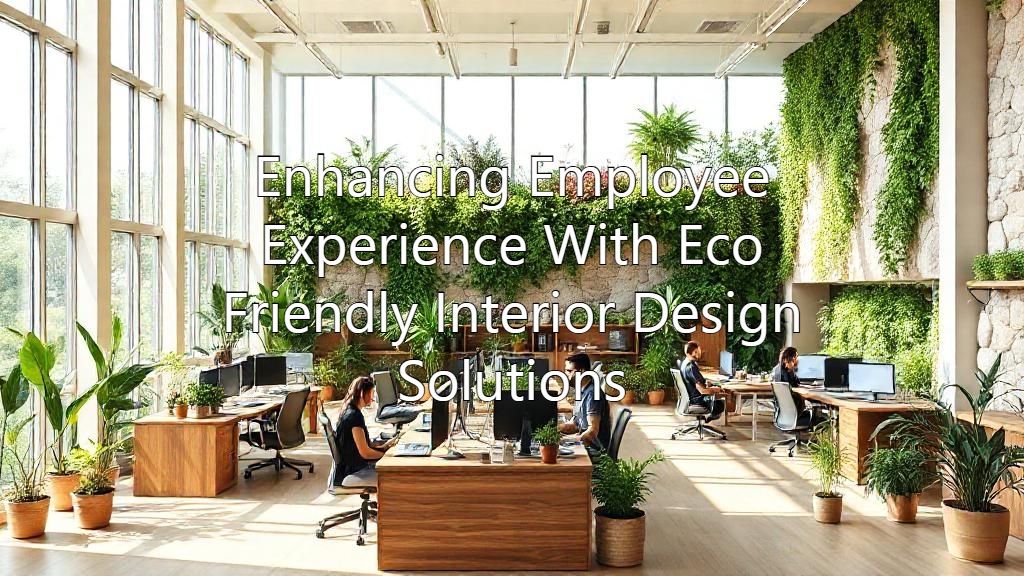
The world is grappling with the intricacies of climate change, and a striking parallel can be drawn between the health of the planet and the well-being of the workforce.
A thriving ecosystem relies on harmony among its components, and a productive and happy employee base is deeply rooted in its surroundings.
The statistics are telling: a whopping 85% of employees worldwide are not engaged in their work, which translates to a staggering loss in productivity and revenue.
Incorporating eco-friendly interior design solutions can help businesses create a workspace that not only mirrors their commitment to sustainability but also fosters a sense of community, creativity, and well-being among employees.
Much like a master gardener tends to a delicate balance of soil, water, and sunlight to cultivate a lush garden, organisations can nurture their most valuable asset – their people – by designing spaces that breathe life, literally and figuratively.
Creating Sustainable Workspaces That Boost Employee Productivity and Well-being Naturally
The modern workplace is evolving to prioritise employee well-being and sustainability, recognising the profound impact of the physical environment on productivity and job satisfaction.
By incorporating elements of nature and adopting eco-friendly practices, businesses can create a healthy and inspiring workspace that benefits both people and the planet.
This shift towards sustainability is not only a moral imperative but also a sound business strategy, as it can lead to significant improvements in employee engagement and retention.
As the boundaries between work and life continue to blur, the workplace is increasingly expected to nurture the well-being of its occupants, setting a new standard for the future of work.
- Biophilic design can reduce stress and boost mood by incorporating natural elements into the workspace.
- Sustainable materials and energy-efficient systems can minimise a company’s carbon footprint while also reducing operating costs.
- By prioritising employee well-being, businesses can unlock the full potential of their workforce, driving innovation and growth.
Incorporating Biophilic Design Elements to Enhance Indoor Air Quality and Employee Health
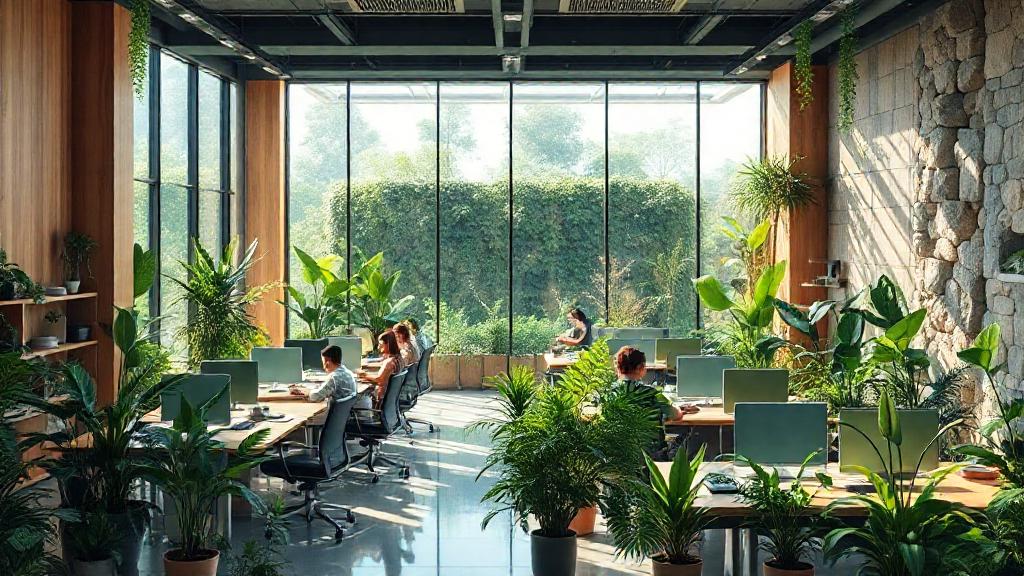
Incorporating biophilic design elements, such as plants, natural materials, and ample sunlight, can significantly improve indoor air quality and employee health.
By bringing the outdoors in, businesses can create a more inviting and productive workspace that benefits both physical and mental well-being.
This design approach not only purifies the air but also reduces stress and increases job satisfaction.
Eco-Friendly Office Furniture Options for a Reduced Carbon Footprint and Increased Comfort
In a bid to reduce their environmental impact, businesses can opt for eco-friendly office furniture made from sustainably sourced materials and recycled plastics, resulting in a significant reduction in their carbon footprint.
This move not only contributes to a healthier planet but also boosts employee morale and productivity.
The benefits of eco-friendly office furniture extend beyond the environmental advantages, as it can also promote a healthier and more comfortable working environment.
Designing Energy-Efficient Lighting Systems to Reduce Eye Strain and Promote Employee Satisfaction
Designing energy-efficient lighting systems is a crucial aspect of creating a comfortable and productive work environment.
A harmonious blend of natural and artificial light can work wonders in boosting morale and productivity, as it stimulates the brain and helps to regulate the body’s internal clock.
Energy-efficient lighting systems can significantly reduce energy consumption, thereby minimising the carbon footprint of an organisation.
The Importance of Natural Light and Ventilation in Eco-Friendly Interior Design Solutions
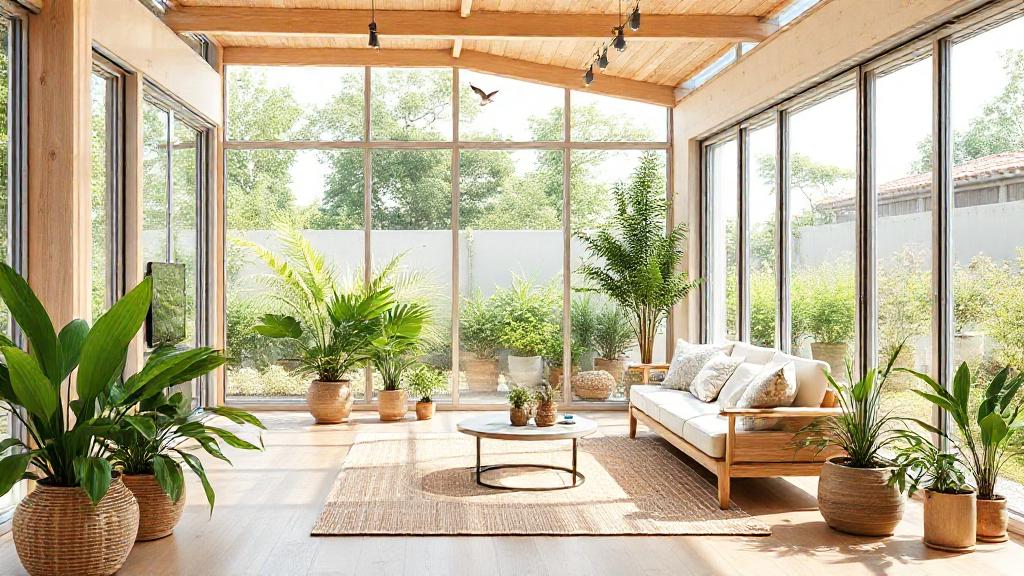
When it comes to eco-friendly interior design, natural light and ventilation play a crucial role in creating a sustainable and healthy living space.
One of the most effective ways to incorporate natural light is by using large windows, skylights, and mirrors to reflect and amplify the light.
Proper ventilation is essential for maintaining good air quality and reducing the risk of indoor air pollution.
Using Recycled and Reclaimed Materials in Office Design to Reduce Waste and Support Sustainability
Incorporating eco-friendly elements into office design is gaining popularity, with many companies opting for sustainable materials.
- Reducing carbon footprints by using recycled materials for flooring and walls
- Creating unique furniture pieces from reclaimed wood and metal
- Incorporating living walls and green roofs to improve air quality
- Designing flexible and adaptable spaces to minimise waste and support future renovations
- Utilising energy-efficient lighting and equipment to minimise environmental impact
Implementing Smart Building Technologies to Optimise Energy Consumption and Employee Experience
As we continue to urbanise and grow, our buildings are becoming increasingly important.
Implementing smart building technologies can lead to significant returns on investment, including reduced energy consumption and increased productivity.
Energy efficiency is a key aspect of smart buildings, with technologies such as LED lighting and smart HVAC systems, which can be controlled and monitored remotely to optimise performance.
Incorporating Green Walls and Vertical Gardens to Improve Air Quality and Employee Morale
While many believe that green walls and vertical gardens are just aesthetic additions, they actually play a crucial role in purifying the air and boosting employee morale.
Developing a Comprehensive Sustainability Strategy to Enhance Employee Engagement and Retention Rates
As organisations continue to navigate the complexities of the modern workplace, it has become increasingly evident that a well-crafted sustainability strategy is essential for fostering a positive and productive work environment.
A comprehensive sustainability strategy can contribute to a company’s reputation and brand image, making it more attractive to top talent and enabling it to stay competitive in the market.
As we envision a future where workspaces seamlessly blend functionality with sustainability, the impact of eco-friendly interior design solutions on employee experience becomes increasingly evident.
By incorporating natural elements, reducing waste, and promoting well-being, organisations can create environments that not only benefit their workers but also contribute to a larger mission of environmental stewardship.
The offices of tomorrow will be designed with the planet in mind, fostering a sense of community and purpose among employees who are proud to work in spaces that prioritise both people and the planet.