
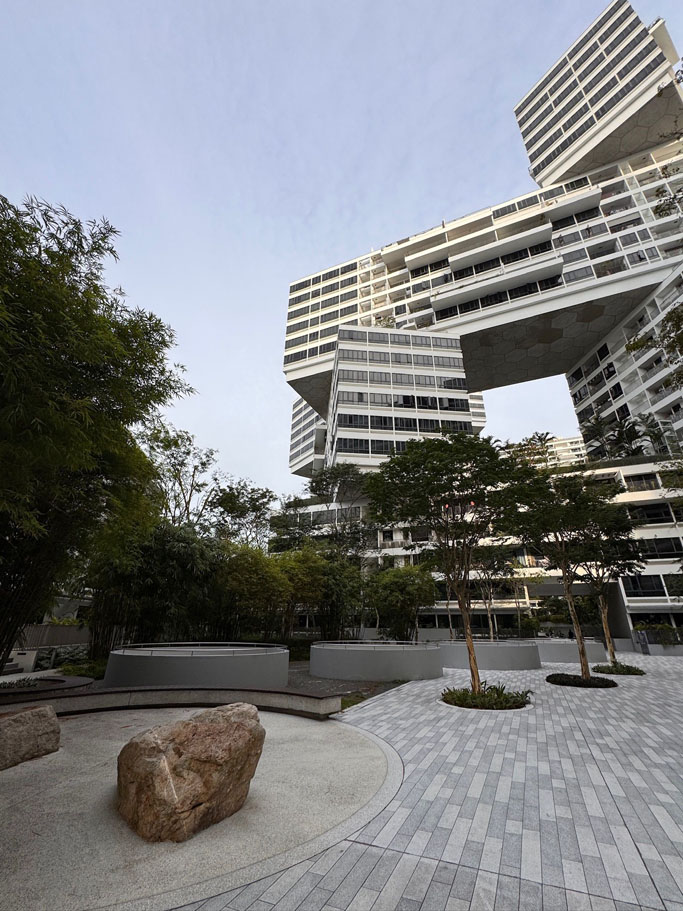
The Building and Construction Authority (BCA) of Singapore has established stringent regulations governing building safety and structural integrity. These regulations require property owners and developers to ensure that all structures meet specific safety standards, particularly when it comes to load-bearing elements and overall building stability. Understanding these requirements and the engineering principles behind them is crucial for anyone involved in Singapore’s real estate market.
This comprehensive guide explores the vital role of civil and structural engineering assessments in real estate purchases and renovations. We’ll delve into why these assessments are critical, what they involve, and how they can save property buyers and owners from costly mistakes and potential safety hazards. Whether you’re purchasing a residential HDB flat, a commercial shophouse, or an industrial warehouse, understanding the structural integrity of your investment is paramount.
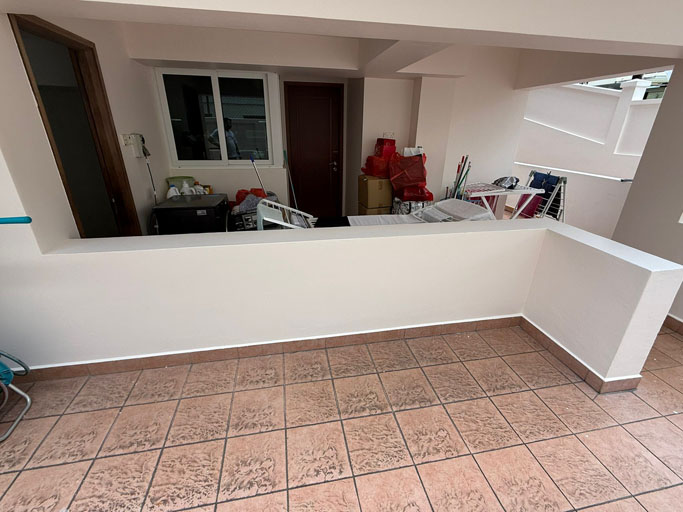
Thorough structural evaluation before property acquisition, including foundation assessment, load-bearing wall analysis, and overall structural integrity checks. Our engineers provide detailed reports highlighting potential issues and estimated repair costs.
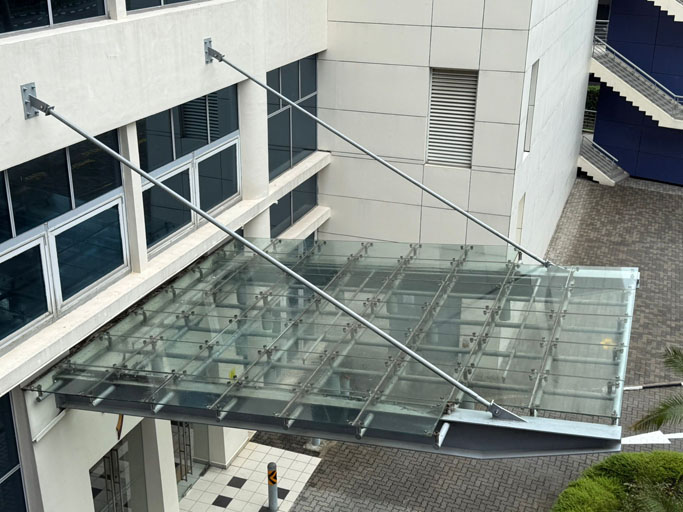
Expert evaluation of structural cracks to determine their severity, cause, and impact on building safety. We use advanced monitoring equipment to track crack progression and recommend appropriate remedial measures.
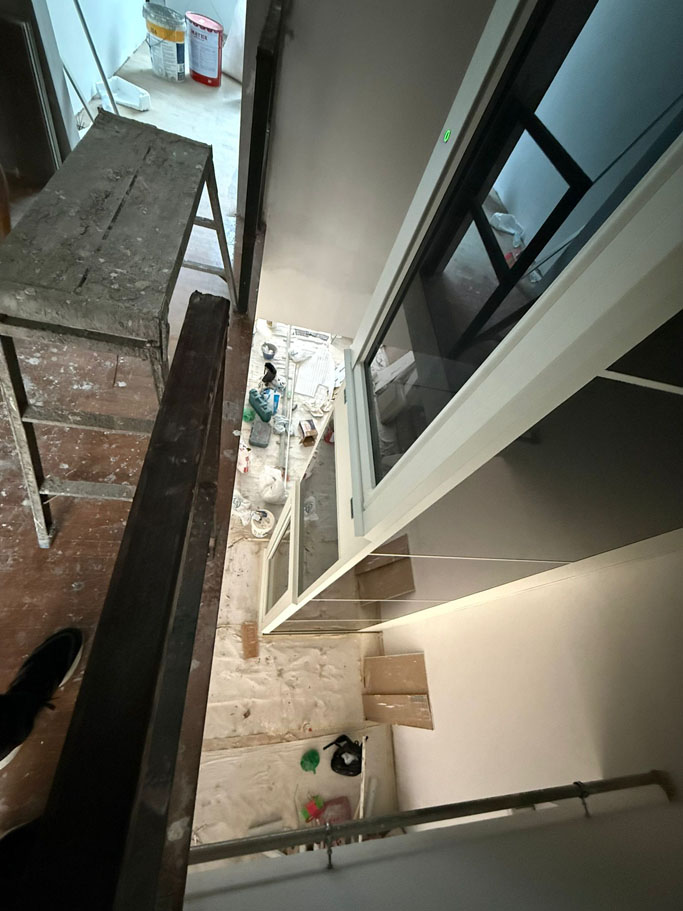
Comprehensive assessment of proposed renovations, including load-bearing wall modifications, floor loading calculations, and structural reinforcement requirements. We ensure your renovation plans are safe and compliant with BCA regulations.
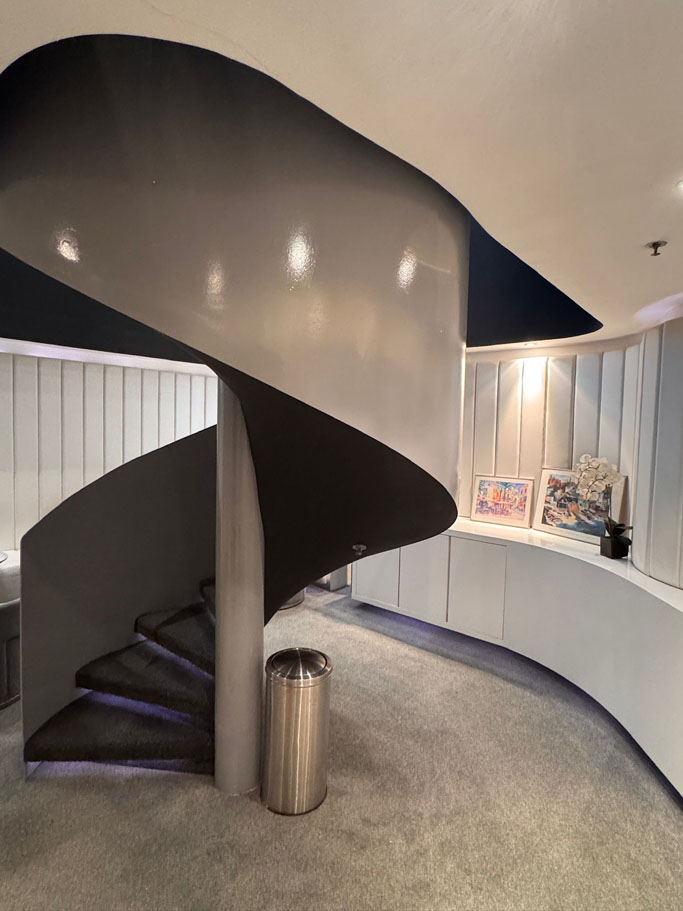
Detailed calculations of floor loading capacity for commercial and industrial properties. Essential for businesses planning to install heavy equipment or modify space usage.
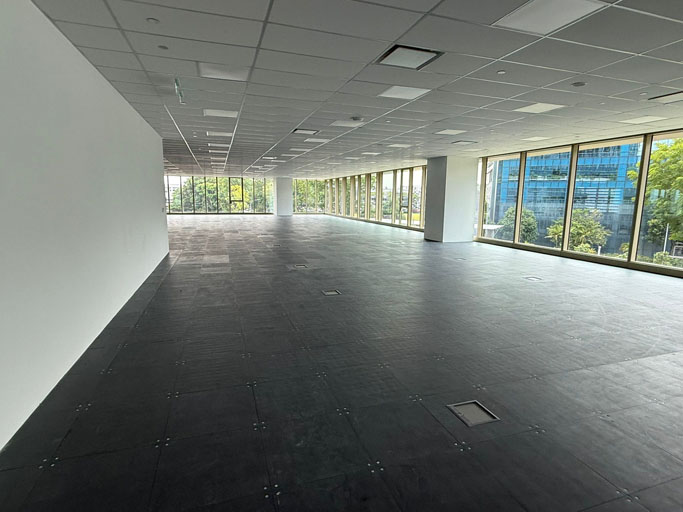
Specialized evaluation of industrial structures including warehouses, factories, and logistics facilities. We assess crane loading, mezzanine floors, and heavy machinery foundations.
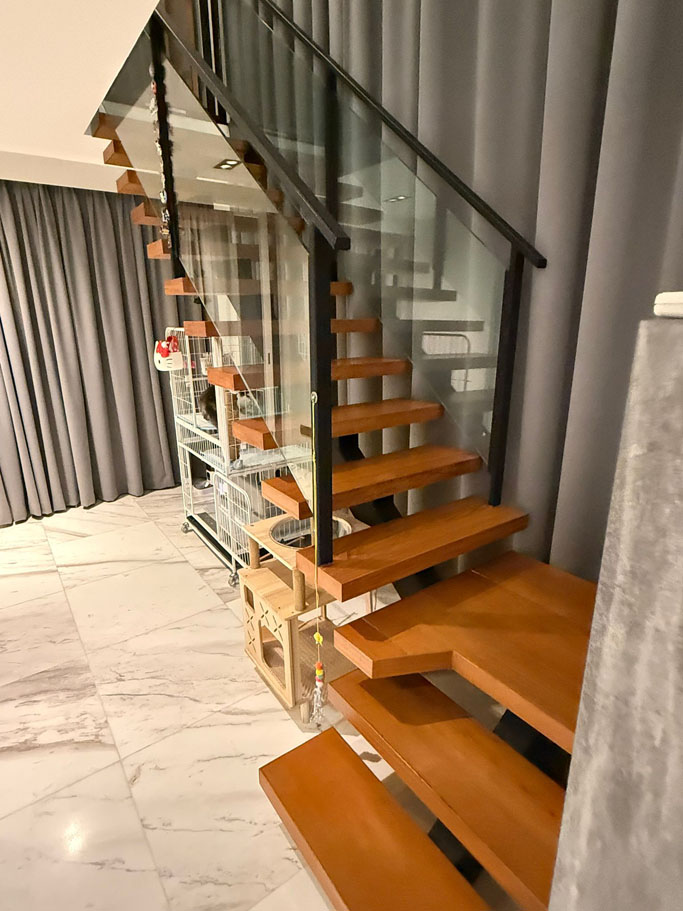
Ensure your property meets all BCA requirements and obtain necessary certifications for renovations, change of use applications, and periodic structural inspections.
Many structural issues are not visible to the untrained eye during property viewings. These hidden defects can range from foundation settlement and concrete deterioration to compromised load-bearing elements. In Singapore’s humid climate, issues such as concrete spalling, reinforcement corrosion, and water damage are particularly common, especially in older buildings.
Professional structural engineers use specialized equipment and techniques to identify these hidden problems. Non-destructive testing methods such as ultrasonic pulse velocity tests, rebound hammer tests, and ground-penetrating radar can reveal issues within concrete structures without causing damage. These assessments can uncover problems that could cost hundreds of thousands of dollars to repair if left undetected.
Understanding the load-bearing structure of a property is crucial for both safety and future renovation possibilities. Load-bearing elements include columns, beams, walls, and slabs that transfer the weight of the building to the foundation. Any compromise to these elements can have catastrophic consequences.
In Singapore, many property buyers and renovators make the mistake of removing or modifying walls without understanding their structural function. This is particularly dangerous in older HDB flats and shophouses where load-bearing walls may not be clearly marked. Our engineering assessments clearly identify all load-bearing elements and provide guidance on what modifications are possible without compromising structural integrity.
Singapore’s tropical climate accelerates building degradation through constant exposure to high humidity, temperature fluctuations, and heavy rainfall. Buildings over 20 years old are particularly susceptible to various forms of deterioration that may not be immediately apparent.
Concrete carbonation is a major concern in older buildings. This process reduces the alkalinity of concrete, leaving steel reinforcement vulnerable to corrosion. Once corrosion begins, it expands, causing concrete to crack and spall. This deterioration can significantly reduce the load-bearing capacity of structural elements.
Singapore’s Building Control Act and its associated regulations impose strict requirements on building owners to maintain structural safety. Failure to comply can result in hefty fines, stop-work orders, and even criminal prosecution in cases of gross negligence.
The Periodic Structural Inspection (PSI) regime requires buildings over 30 years old to undergo mandatory structural inspections every 5 to 10 years. Properties that fail these inspections must undertake necessary repairs, which can be extremely costly if structural issues have been allowed to deteriorate over time.
For property buyers, understanding the compliance status of a building is crucial. Our assessments include a review of past inspection reports, outstanding repair orders, and upcoming compliance requirements. This information is vital for budgeting future maintenance costs and avoiding legal complications.
A comprehensive structural engineering assessment is a small investment that can save property buyers from massive financial losses. Consider that the average cost of major structural repairs in Singapore can range from S$50,000 to S$500,000 or more, depending on the severity of the issues.
Beyond repair costs, structural issues can significantly impact property value. Properties with known structural problems often sell at substantial discounts, and in severe cases, may be deemed uninhabitable. Insurance companies may also refuse coverage or charge prohibitive premiums for properties with structural defects.
Discussion of property details, concerns, and assessment objectives. Review of available documentation including architectural plans and previous inspection reports.
Comprehensive on-site visual examination of all accessible structural elements, including foundations, columns, beams, slabs, and walls. Photo documentation of all findings.
Advanced testing using ultrasonic equipment, rebound hammers, and other specialized tools to assess concrete strength, detect hidden defects, and evaluate structural integrity.
Detailed structural calculations to verify load-bearing capacity, assess safety factors, and determine if the structure meets current building codes and standards.
Comprehensive report including findings, risk assessment, recommendations, cost estimates for repairs, and prioritization of remedial works.
Discussion of report findings, clarification of technical aspects, and guidance on next steps. Ongoing support for negotiations or renovation planning.
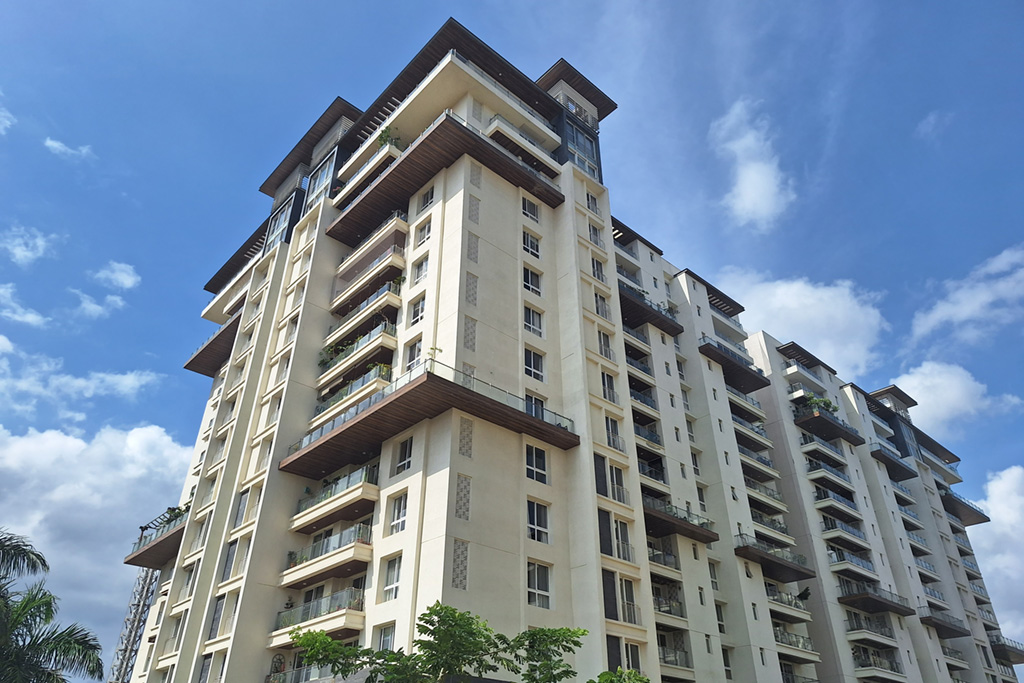
Housing Development Board (HDB) flats house over 80% of Singapore’s population, making them the most common residential property type requiring assessment. Our scope of work for HDB flats includes:

Private condominiums often feature more complex structural systems and amenities requiring specialized assessment:
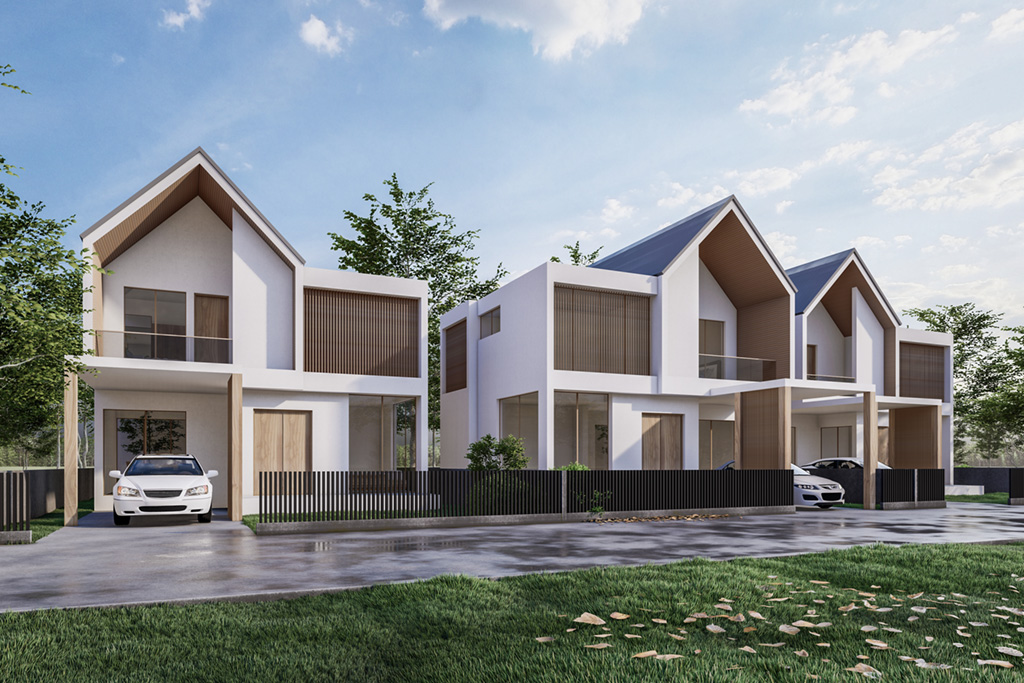
Landed properties including terrace houses, semi-detached, and bungalows present unique challenges:

Singapore’s heritage shophouses require specialized conservation expertise:

Modern office buildings require assessment focused on functionality and safety:
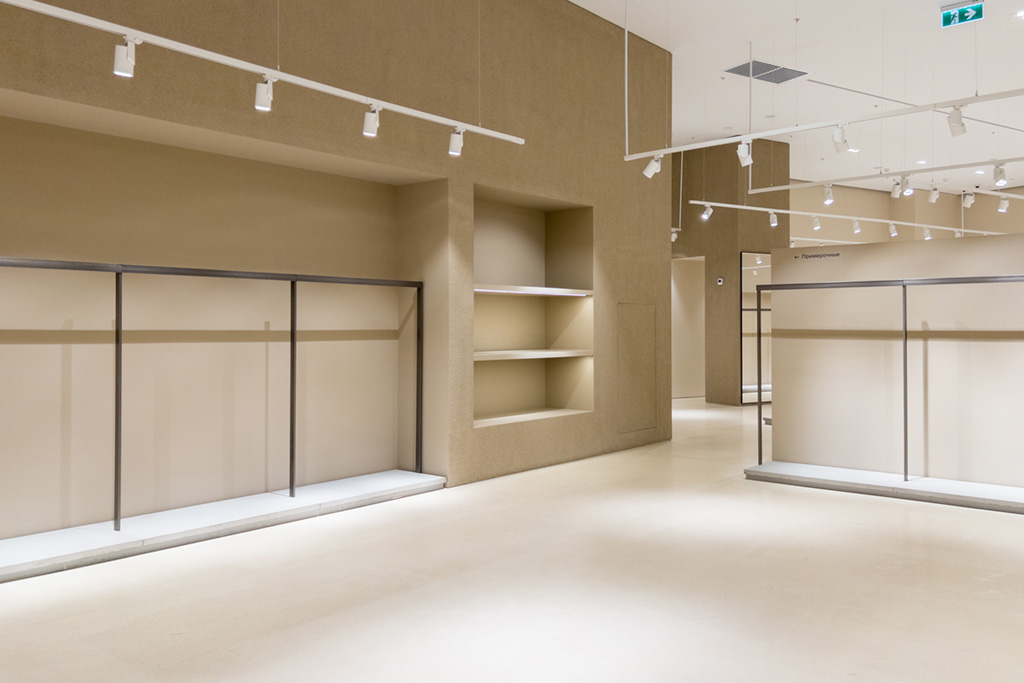
Retail properties have unique requirements based on customer traffic and display needs:
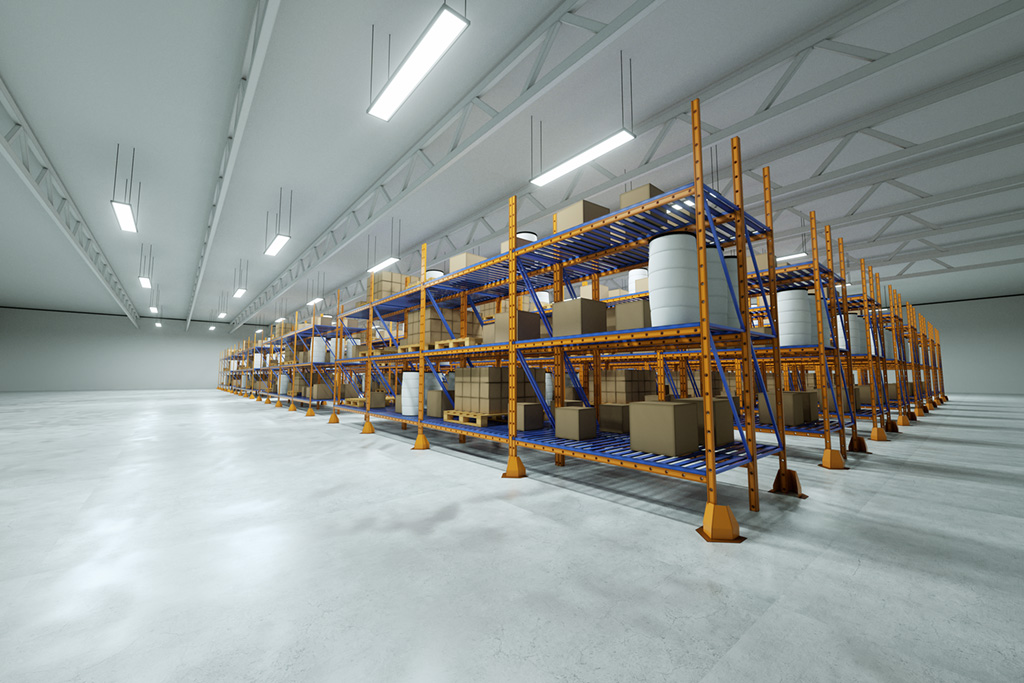
Warehouse assessments focus on storage capacity and operational safety:

Factory buildings require specialized assessment for production equipment:

Modern logistics centers have specific structural requirements:
Modern structural assessment relies heavily on non-destructive testing techniques that provide valuable information without damaging the structure:
This technique measures the velocity of ultrasonic pulses through concrete to assess its quality and uniformity. Higher velocities indicate better quality concrete with fewer voids or cracks. UPV testing is particularly useful for:
Also known as Schmidt hammer testing, this method estimates concrete compressive strength by measuring surface hardness. While less accurate than core testing, it provides quick, comparative results across a structure. Applications include:
Electromagnetic cover meters locate reinforcement bars and measure concrete cover depth. Adequate cover is crucial for protecting steel from corrosion. This testing helps identify:
This electrochemical technique assesses the probability of reinforcement corrosion by measuring electrical potential differences. It’s particularly valuable for:
GPR uses electromagnetic waves to detect subsurface features and is invaluable for:
While NDT methods provide valuable information, sometimes destructive testing is necessary for definitive results:
Extracting concrete cores provides the most accurate strength assessment and allows for:
For critical assessments, actual load testing may be performed to verify structural capacity. This involves:
Our firm employs cutting-edge technologies for comprehensive structural assessment:
A: Ideally, a structural assessment should be conducted after your Option to Purchase (OTP) is signed but before exercising the option. This gives you leverage to negotiate or withdraw if serious issues are found. For renovations, assessment should be done during the planning stage.
A: On-site inspection typically takes 2-4 hours for residential properties and 4-8 hours for commercial/industrial properties. The complete report is usually delivered within 5-7 working days, with urgent cases expedited to 2-3 days.
A: While seller-provided reports offer useful information, we recommend independent assessment to ensure objectivity. Sellers’ reports may downplay issues or miss recent deterioration. Your own assessment protects your interests.
A: Visual inspection identifies obvious defects but cannot detect hidden problems. Detailed assessment includes non-destructive testing, structural calculations, and thorough investigation of concealed areas, providing comprehensive understanding of structural condition.
A: We examine structural drawings, assess wall thickness and position, check for beams above, and use non-destructive testing to detect reinforcement. In HDB flats, we reference standard structural layouts. For older buildings without drawings, careful investigation is required.
A: Absolutely. Assessment costs typically represent 0.1-0.5% of property value but can save 10-50 times that amount by identifying issues early. Beyond financial savings, it ensures safety and provides peace of mind.
A: Our estimates are typically accurate within ±15% for standard repairs. Complex or hidden conditions may cause variations. We provide ranges and clearly identify assumptions. Detailed specifications during repair tender stage refine accuracy.
A: Unaddressed structural issues can reduce property value by 5-30% depending on severity. However, properly repaired structures with documentation often maintain full value. Transparency and professional repairs are key.
Before any renovation work begins, a thorough structural assessment is crucial to ensure safety and feasibility:
The most critical aspect of renovation planning is correctly identifying load-bearing elements. In Singapore, many renovation disasters occur when contractors or homeowners mistakenly remove or modify load-bearing walls. Our assessment process includes:
When renovations require modifying load-bearing elements, we provide:
Many believe thin walls are non-load bearing, but in older HDB flats, 100mm walls often carry loads. Our assessments prevent this dangerous assumption through proper investigation.
Installing heavy features like marble flooring, large aquariums, or home gyms without checking floor capacity can cause structural damage. We calculate actual versus allowable loads.
Renovation work often damages existing waterproofing, leading to future structural issues. Our assessments identify critical waterproofing elements requiring protection or renewal.
Removing portions of beams or columns, even partially, can critically weaken structures. We ensure all modifications maintain structural continuity and strength.
Renovation work that bridges movement joints can cause severe cracking. We identify these joints and specify appropriate detailing.