
A feasibility study in Singapore’s construction industry is a comprehensive analysis that evaluates the viability of a proposed project from multiple perspectives including technical, economic, legal, operational, and scheduling considerations. Given Singapore’s unique constraints such as land scarcity, high construction costs, stringent regulations, and environmental considerations, feasibility studies here require exceptional depth and attention to detail.
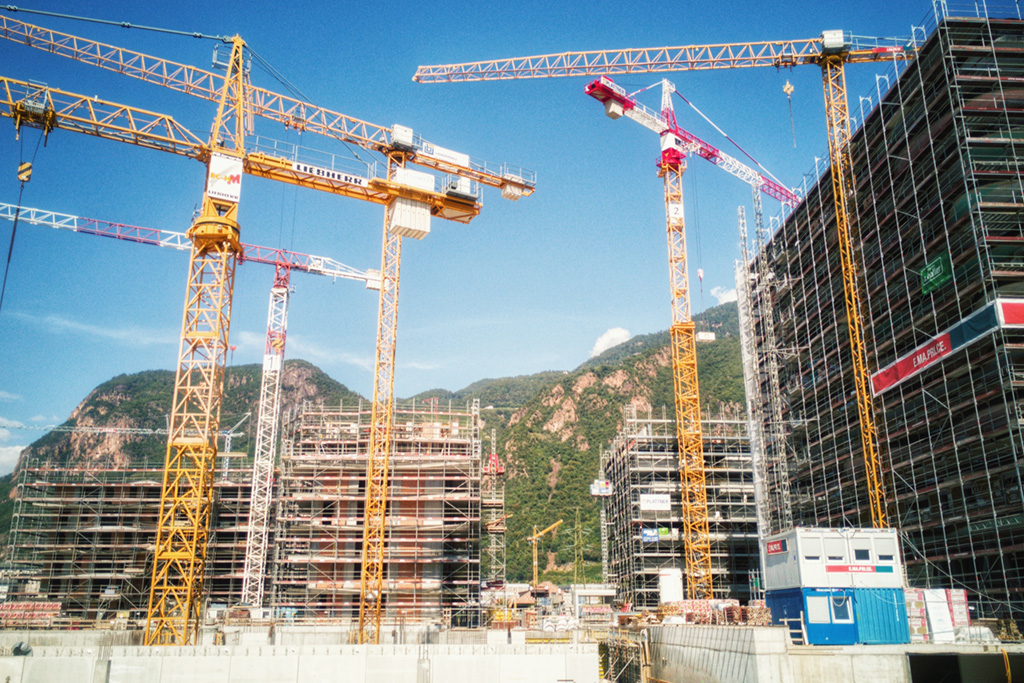
The primary objective of a feasibility study is to provide stakeholders with sufficient information to make informed decisions about whether to proceed with a project, modify its scope, or abandon it altogether.
Every comprehensive feasibility study for construction projects in Singapore must address specific local requirements and considerations that are unique to our regulatory environment and market conditions. These studies form the foundation for all subsequent project decisions and authority submissions.
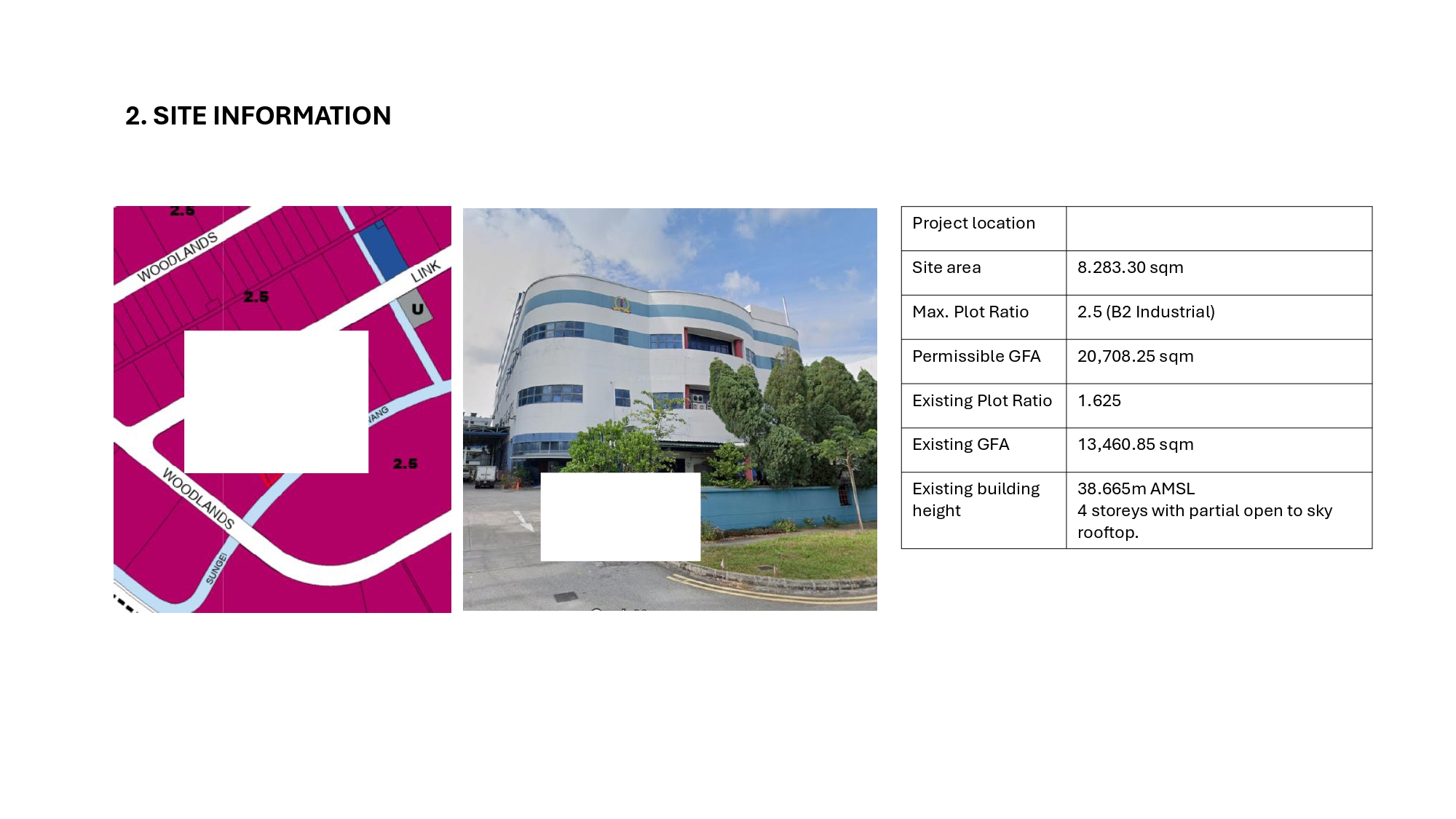

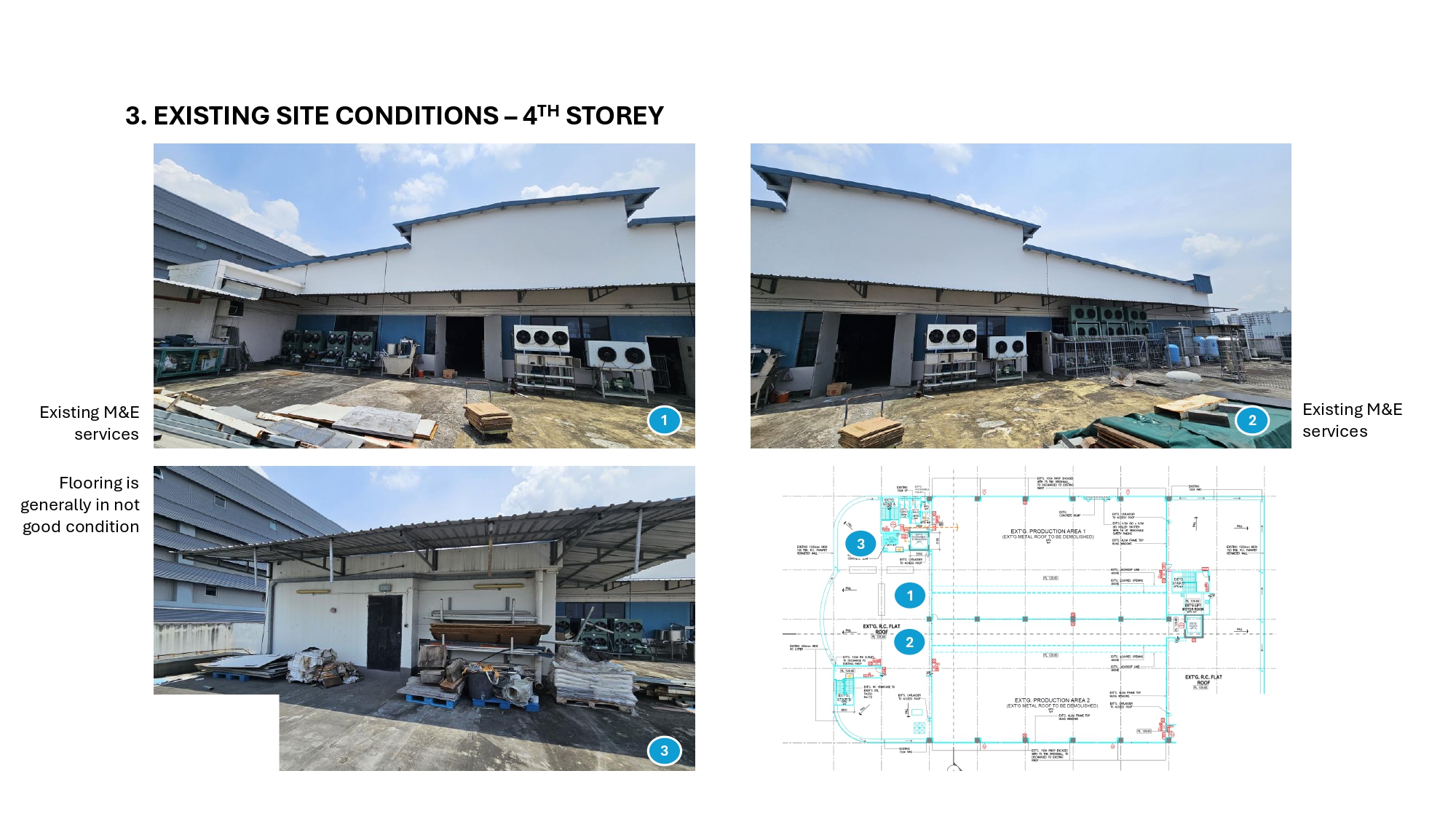
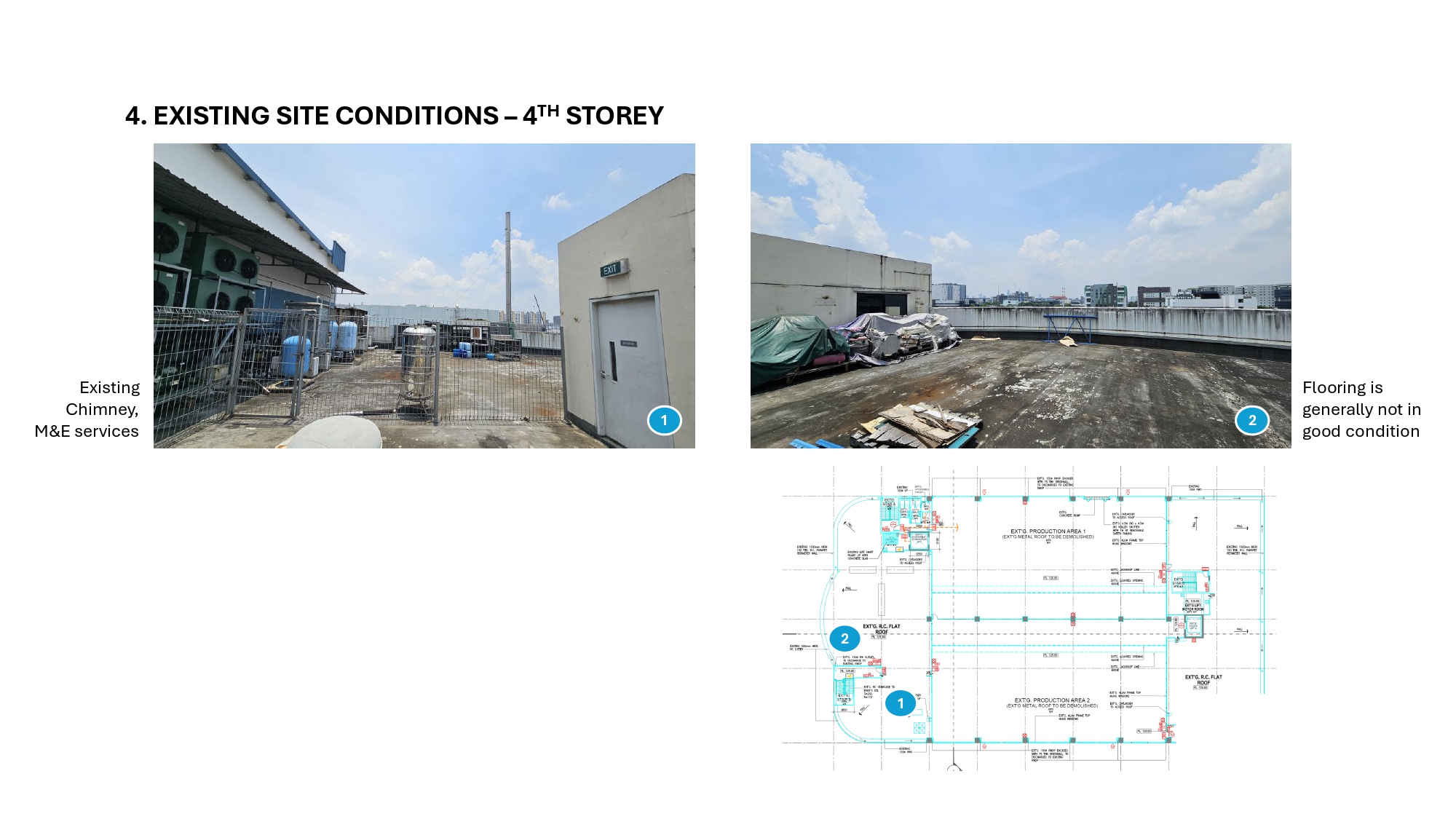
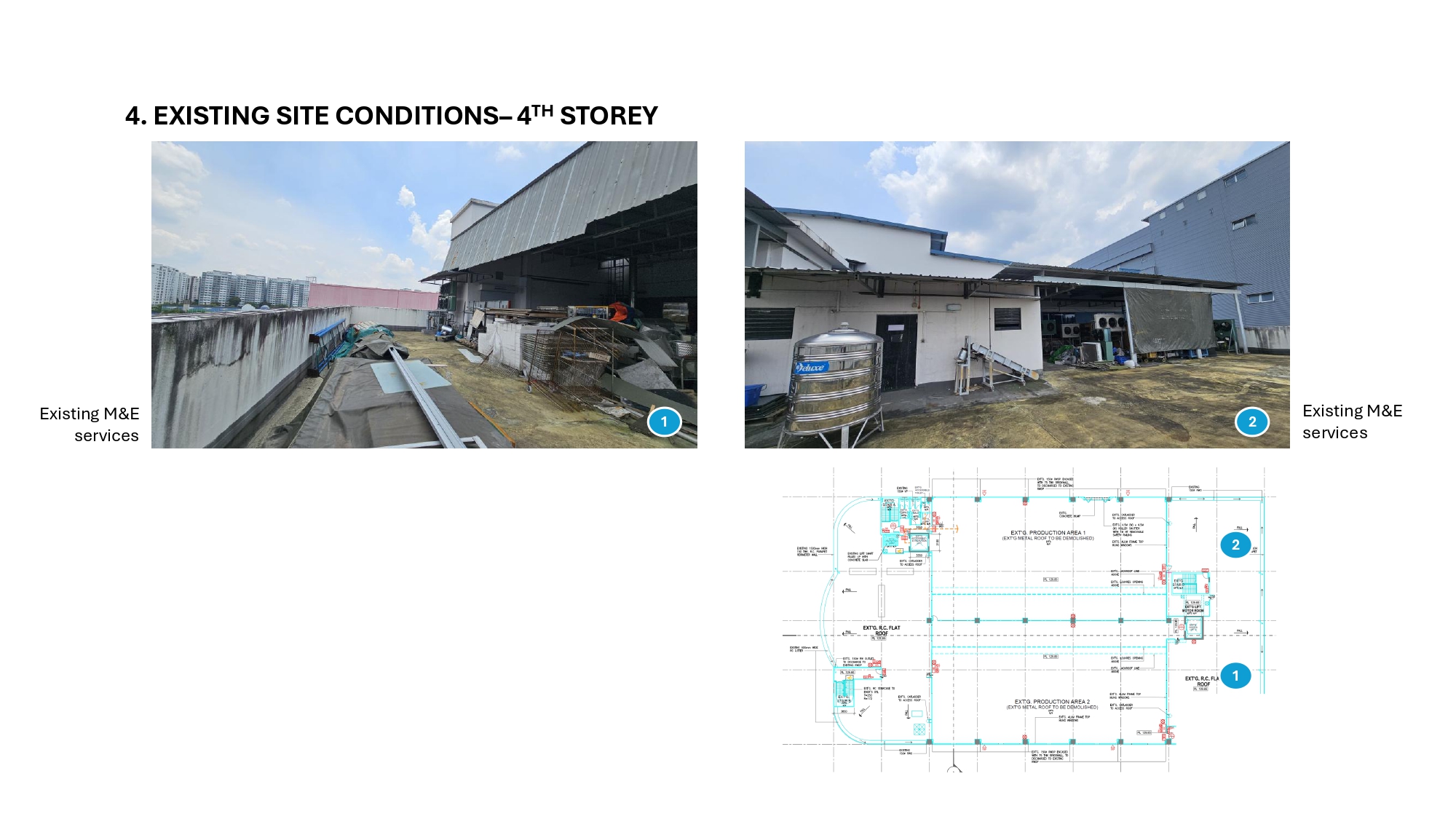
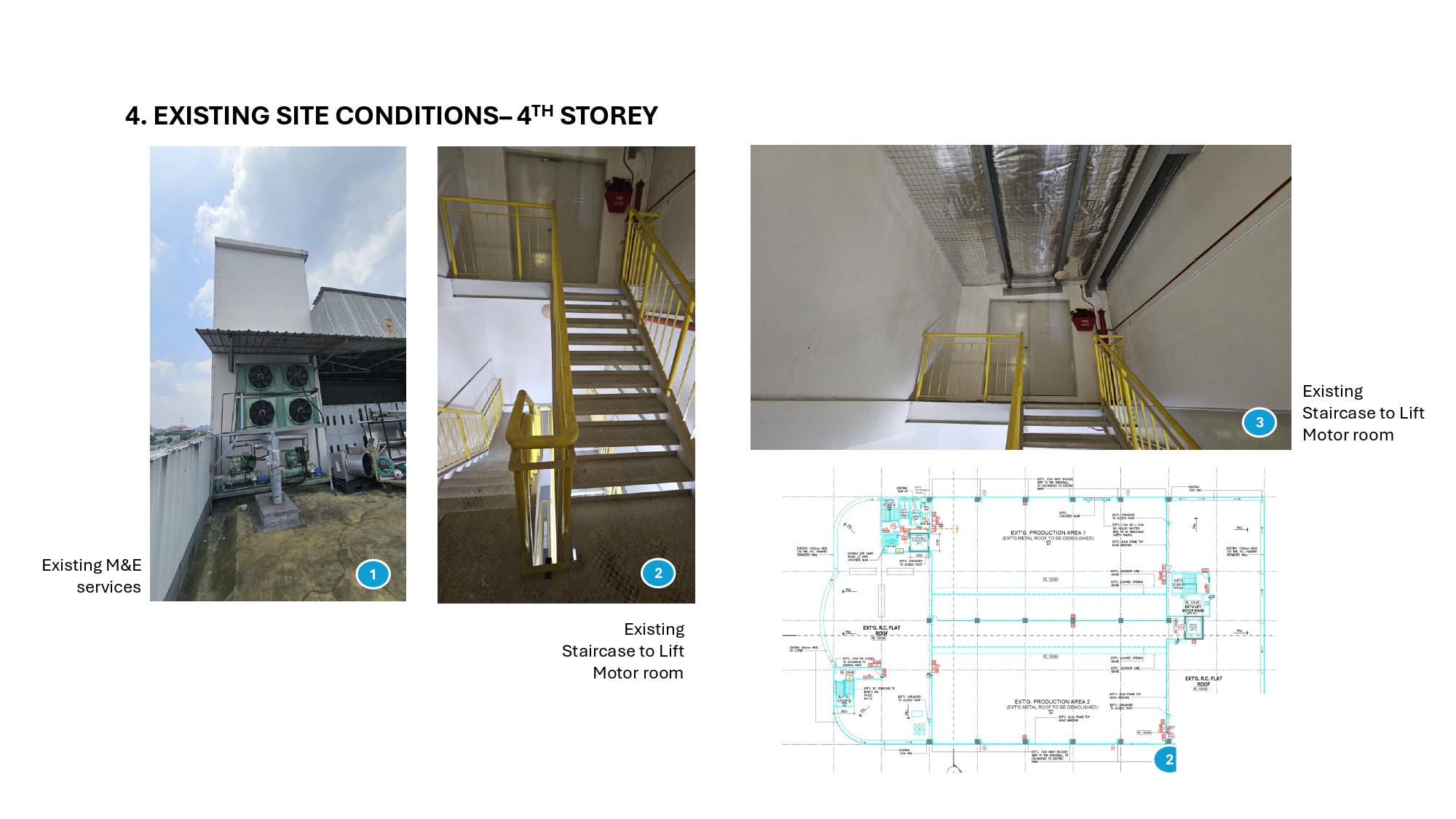
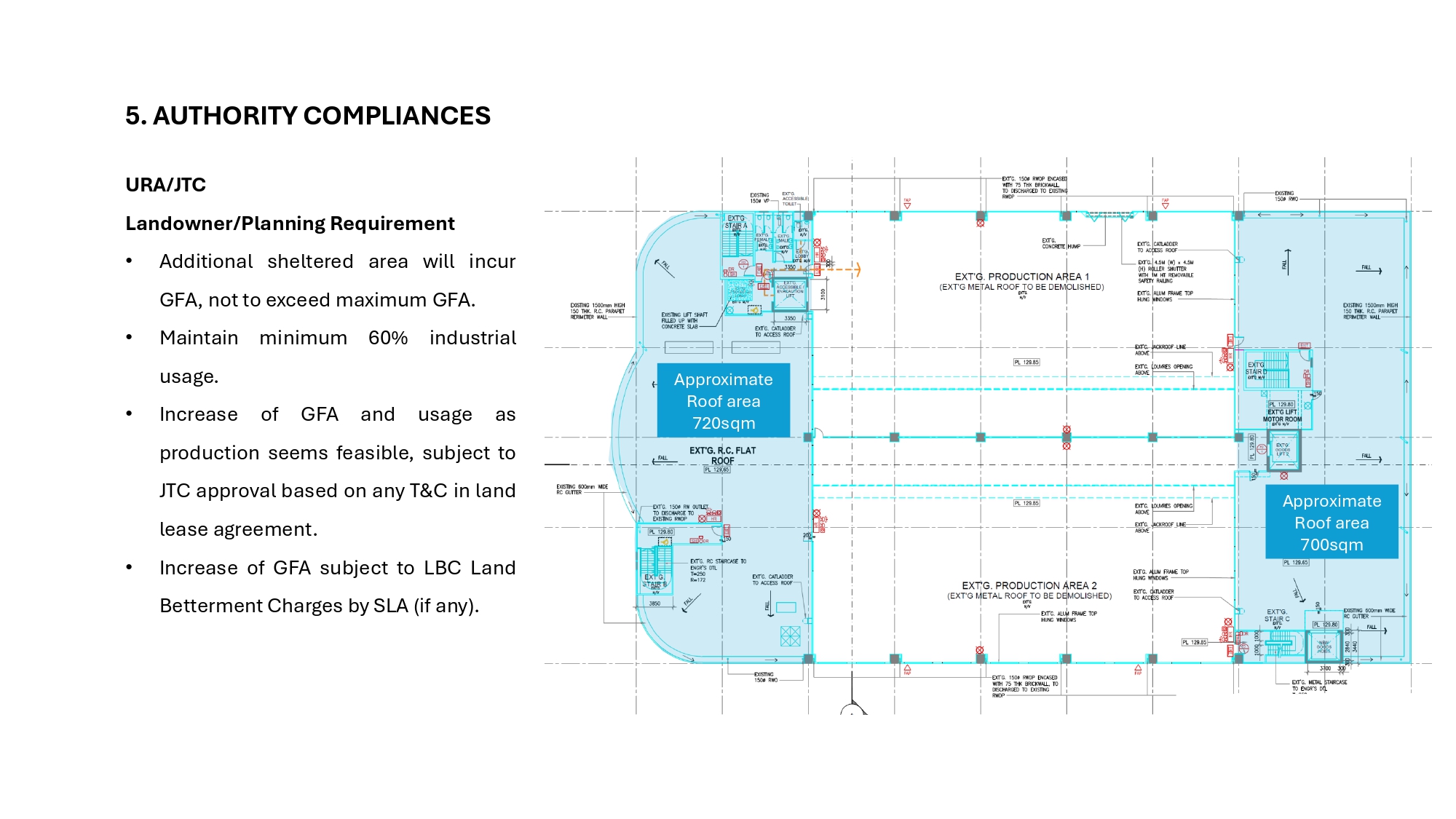
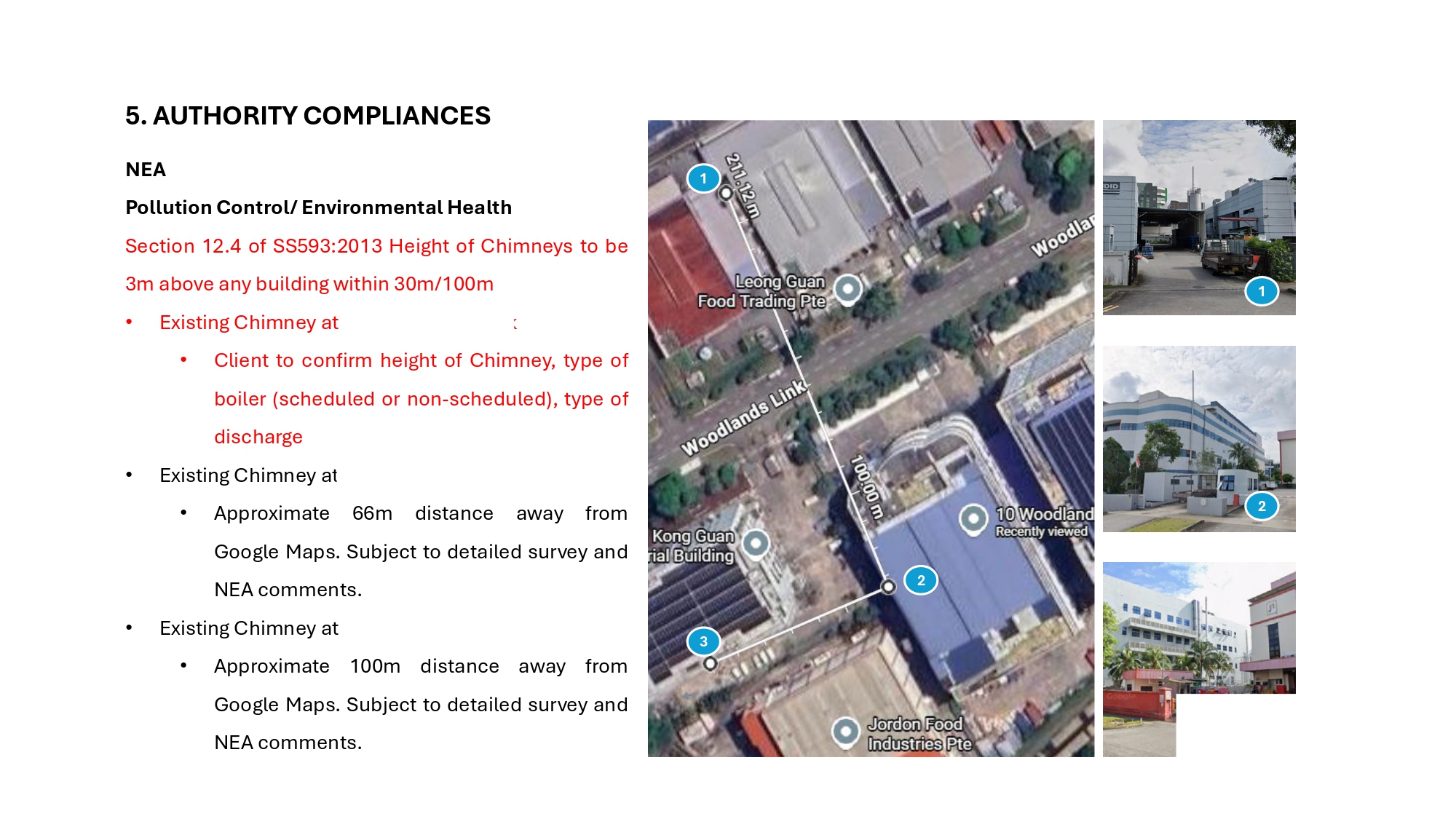
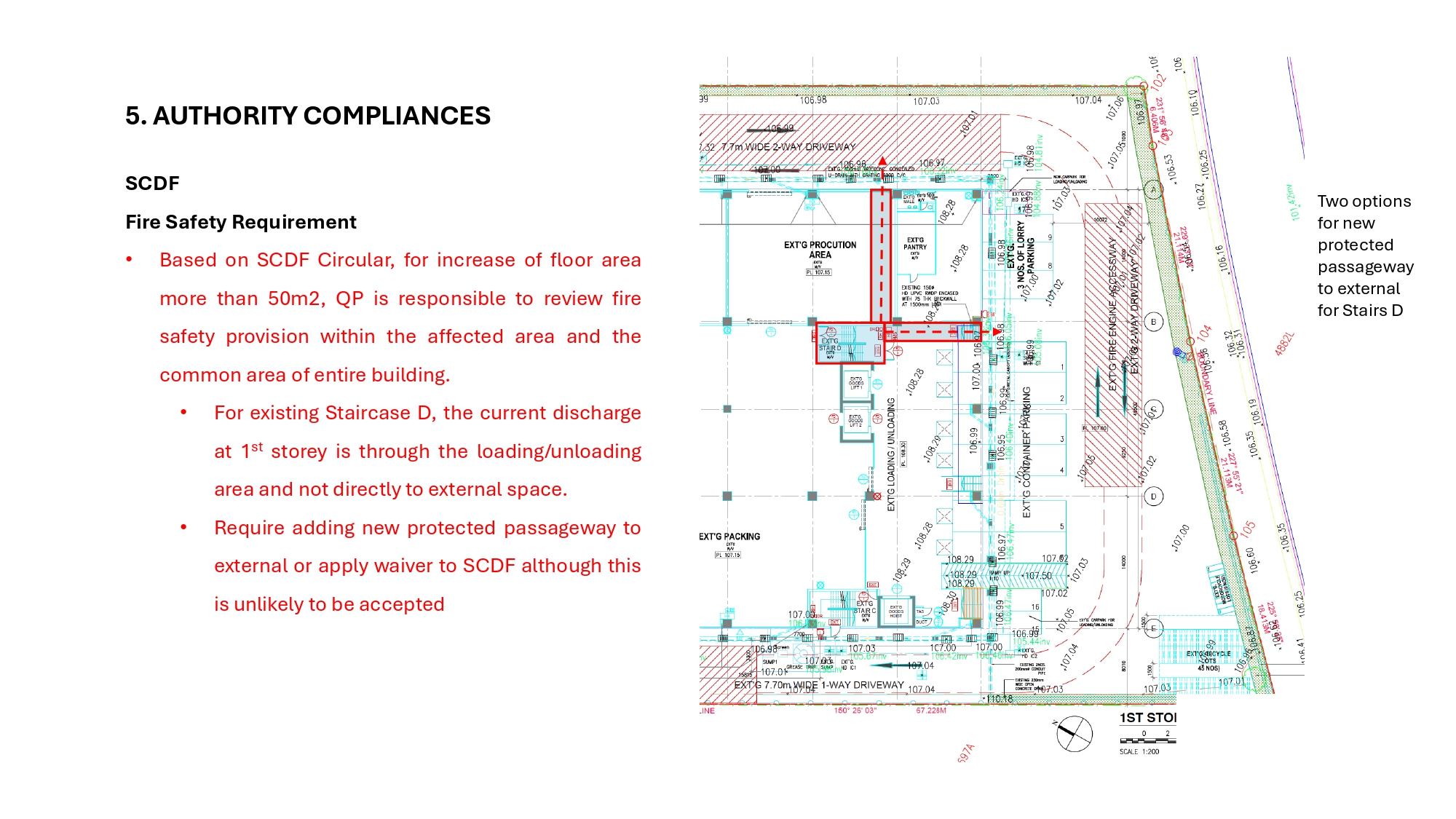
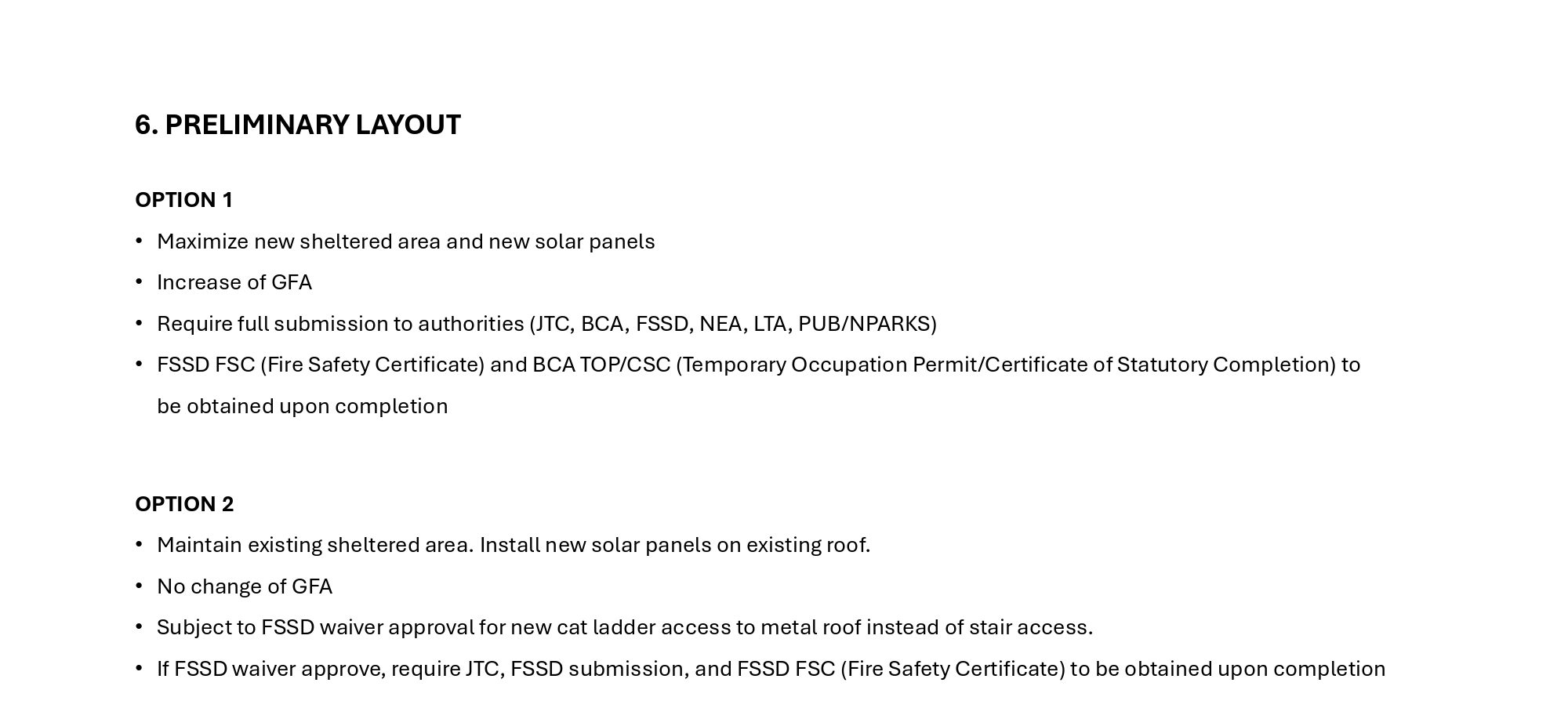
Legal feasibility in Singapore’s construction sector requires navigating a complex web of regulations, codes, and standards. The Master Plan and zoning regulations set by URA determine what can be built where, including plot ratio, building height, and usage restrictions. The feasibility study must verify that the proposed development complies with all planning parameters or identify necessary applications for waivers or amendments.
Building regulations enforced by BCA cover structural safety, fire safety, accessibility, sustainability, and buildability. The study must assess compliance with the Building Control Act and its subsidiary legislation, including the Building Control Regulations and Approved Document. Special attention must be paid to requirements for Periodic Structural Inspection (PSI) for existing buildings being renovated or additions and alterations (A&A) works.
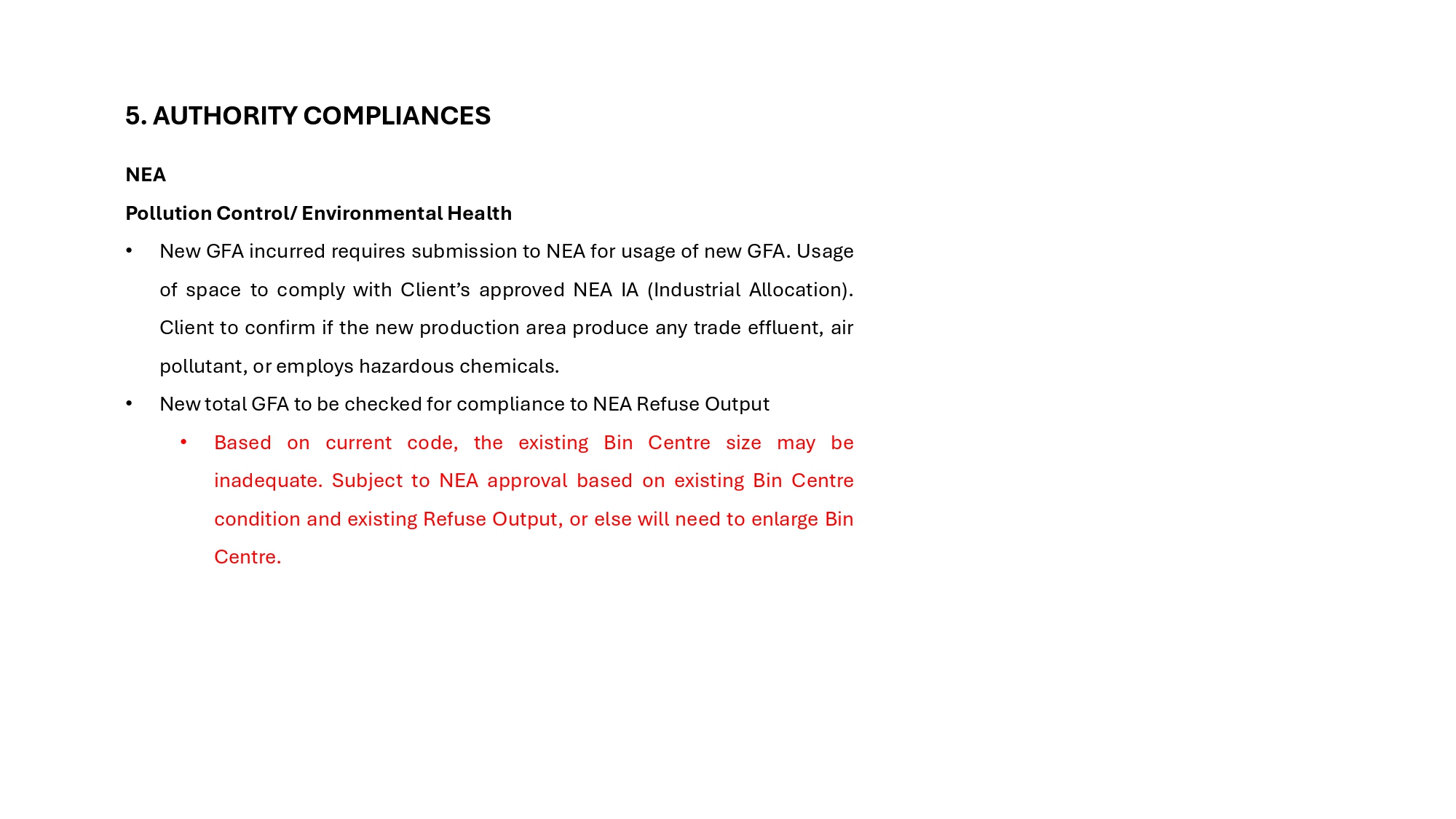
Environmental regulations have become increasingly stringent, with requirements for Environmental Impact Assessments (EIA) for certain projects, compliance with the Environmental Protection and Management Act, and adherence to noise, dust, and vibration limits during construction. The feasibility study should identify all environmental permits required and assess the cost and time implications of compliance.
Market feasibility analysis in Singapore requires understanding the sophisticated and competitive real estate market. For residential projects, factors such as location relative to MRT stations, school proximity, and amenities significantly impact demand and pricing.
Commercial and industrial projects require analysis of sector-specific demand drivers. For office spaces, the study should consider the shift towards flexible working arrangements, demand for Grade A spaces with green certifications, and competition from emerging business districts. Industrial projects must align with Singapore’s economic transformation, focusing on high-value manufacturing, logistics, and data center developments.
Many structural issues are not visible to the untrained eye during property viewings. These hidden defects can range from foundation settlement and concrete deterioration to compromised load-bearing elements. In Singapore’s humid climate, issues such as concrete spalling, reinforcement corrosion, and water damage are particularly common, especially in older buildings.
Professional structural engineers use specialized equipment and techniques to identify these hidden problems. Non-destructive testing methods such as ultrasonic pulse velocity tests, rebound hammer tests, and ground-penetrating radar can reveal issues within concrete structures without causing damage. These assessments can uncover problems that could cost hundreds of thousands of dollars to repair if left undetected.
Understanding the load-bearing structure of a property is crucial for both safety and future renovation possibilities. Load-bearing elements include columns, beams, walls, and slabs that transfer the weight of the building to the foundation. Any compromise to these elements can have catastrophic consequences.
In Singapore, many property buyers and renovators make the mistake of removing or modifying walls without understanding their structural function. This is particularly dangerous in older HDB flats and shophouses where load-bearing walls may not be clearly marked. Our engineering assessments clearly identify all load-bearing elements and provide guidance on what modifications are possible without compromising structural integrity.
Singapore’s tropical climate accelerates building degradation through constant exposure to high humidity, temperature fluctuations, and heavy rainfall. Buildings over 20 years old are particularly susceptible to various forms of deterioration that may not be immediately apparent.
Concrete carbonation is a major concern in older buildings. This process reduces the alkalinity of concrete, leaving steel reinforcement vulnerable to corrosion. Once corrosion begins, it expands, causing concrete to crack and spall. This deterioration can significantly reduce the load-bearing capacity of structural elements.
Singapore’s Building Control Act and its associated regulations impose strict requirements on building owners to maintain structural safety. Failure to comply can result in hefty fines, stop-work orders, and even criminal prosecution in cases of gross negligence.
The Periodic Structural Inspection (PSI) regime requires buildings over 30 years old to undergo mandatory structural inspections every 5 to 10 years. Properties that fail these inspections must undertake necessary repairs, which can be extremely costly if structural issues have been allowed to deteriorate over time.
For property buyers, understanding the compliance status of a building is crucial. Our assessments include a review of past inspection reports, outstanding repair orders, and upcoming compliance requirements. This information is vital for budgeting future maintenance costs and avoiding legal complications.
A comprehensive structural engineering assessment is a small investment that can save property buyers from massive financial losses. Consider that the average cost of major structural repairs in Singapore can range from S$50,000 to S$500,000 or more, depending on the severity of the issues.
Beyond repair costs, structural issues can significantly impact property value. Properties with known structural problems often sell at substantial discounts, and in severe cases, may be deemed uninhabitable. Insurance companies may also refuse coverage or charge prohibitive premiums for properties with structural defects.
| QP Type | Primary Responsibilities | Key Submissions | Site Supervision Duties |
|---|---|---|---|
| QP Architect | Overall design coordination, planning compliance, architectural design | Building plans, A&A plans, Amendment plans | Design compliance, quality control, coordination |
| QP Structural | Structural design, stability, load analysis | Structural plans, calculations, inspection reports | Structural integrity, safety compliance |
| QP M&E | Mechanical & electrical systems design | M&E plans, fire safety plans, system specifications | Installation quality, testing & commissioning |
| QP Geotechnical | Foundation design, soil assessment | Geotechnical reports, instrumentation plans | Excavation monitoring, foundation inspection |
Singapore’s construction regulatory landscape involves multiple government agencies, each with specific jurisdictions and requirements. Understanding the roles and requirements of each authority is crucial for successful project execution. The Building and Construction Authority (BCA) serves as the primary regulator for building control, overseeing structural safety, accessibility, sustainability, and buildability. Their approval is mandatory for all building works, from minor renovations to major developments.
The Urban Redevelopment Authority (URA) controls land use planning and development control, determining what can be built where through the Master Plan and detailed planning guidelines. URA approval is required before BCA submission, establishing the planning parameters within which detailed design must occur. The Land Transport Authority (LTA) regulates developments affecting transportation infrastructure, including vehicle access, parking provisions, and impacts on traffic flow.
Other critical authorities include the Singapore Civil Defence Force (SCDF) for fire safety requirements, the National Environment Agency (NEA) for environmental compliance, the Public Utilities Board (PUB) for drainage and water-related matters, and the National Parks Board (NParks) for developments affecting greenery and parks. Each authority has specific submission requirements, review processes, and approval timelines that must be carefully coordinated.