Phase 1: Programming & Analysis (2-3 weeks)
Client needs assessment, site documentation, regulatory review, budget establishment, project brief development. This foundational phase establishes project parameters and constraints.

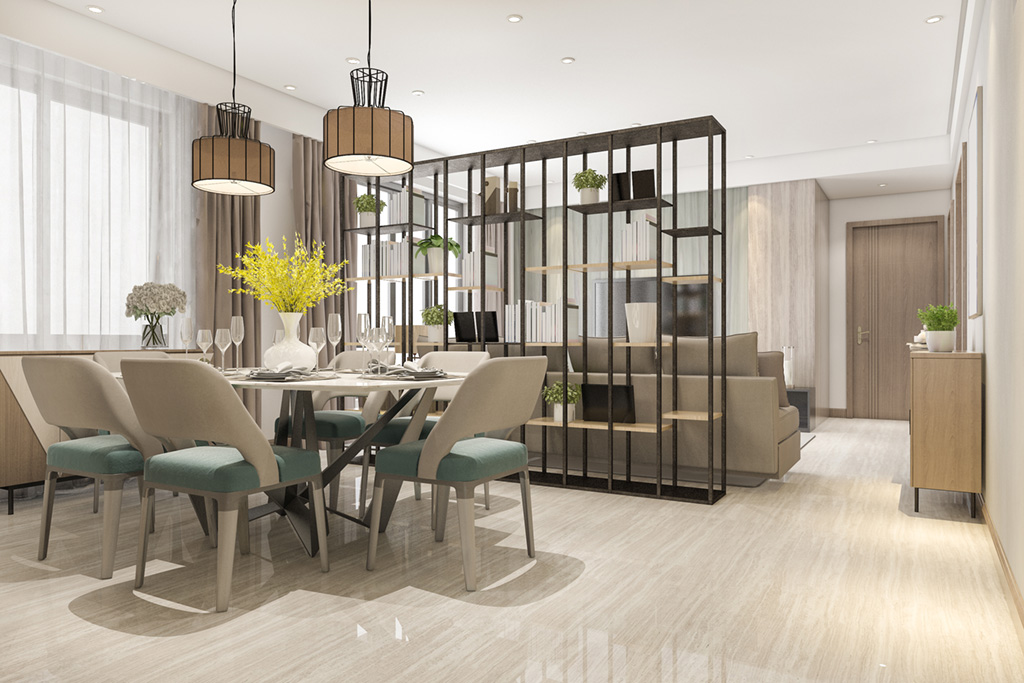
First and foremost is the emphasis on space optimization. With land scarcity being a fundamental challenge, Singapore designers have become masters at maximizing every square foot. This expertise extends beyond mere storage solutions to encompass innovative spatial configurations, multi-functional furniture designs, and creative use of vertical space. The ability to transform compact areas into comfortable, functional, and visually appealing environments has become a hallmark of Singapore interior design.
Cultural sensitivity and inclusivity form another cornerstone of Singapore’s design approach. Our designers understand the importance of creating spaces that respect and celebrate diverse cultural backgrounds while maintaining universal appeal. This multicultural competency is particularly valuable in commercial projects where spaces must accommodate users from various cultural contexts. The ability to blend traditional elements with contemporary design has resulted in uniquely Singaporean aesthetics that resonate both locally and internationally.
Balance in interior design refers to the distribution of visual weight within a space to create a sense of equilibrium and stability. This fundamental principle ensures that no single element overpowers others, resulting in a harmonious environment that feels both comfortable and aesthetically pleasing.
Balance operates on multiple levels within interior design, encompassing everything from furniture placement to color distribution, texture variation, and lighting arrangements. In Singapore’s typically compact living spaces, achieving proper balance becomes even more critical as any imbalance is immediately noticeable and can make rooms feel cramped or uncomfortable. Professional designers understand that balance doesn’t necessarily mean symmetry; rather, it’s about creating visual stability through thoughtful arrangement of design elements.
There are three primary types of balance utilized in interior design: symmetrical, asymmetrical, and radial. Symmetrical balance, also known as formal balance, involves mirroring elements on either side of a central axis. This approach is commonly seen in traditional Singapore shophouse renovations where the narrow, linear layout naturally lends itself to symmetrical arrangements. A typical example would be placing matching armchairs flanking a coffee table or installing identical pendant lights on either side of a bed.
Asymmetrical balance, or informal balance, achieves equilibrium through the strategic placement of dissimilar objects that have equal visual weight. This approach is particularly popular in contemporary Singapore homes where designers might balance a large sectional sofa on one side of a living room with a cluster of smaller furniture pieces and artwork on the opposite side. The key to successful asymmetrical balance lies in understanding visual weight – how factors like size, color intensity, texture, and placement affect an object’s perceived importance in a space.
Radial balance, though less common in residential settings, centers elements around a focal point. This technique is often employed in Singapore’s commercial spaces, such as hotel lobbies or retail environments, where circular seating arrangements or ceiling features create dynamic, engaging spaces. The Marina Bay Sands hotel lobby, for instance, demonstrates masterful use of radial balance with its circular design elements drawing the eye upward to the dramatic ceiling installation.
Rhythm in interior design guides the eye through a space by creating patterns of repetition and contrast. This principle brings dynamism and energy to interiors, preventing monotony while establishing a sense of cohesion throughout the design.
Rhythm in interior design manifests through five primary mechanisms: repetition, progression, transition, contrast, and radiation. Each of these creates a different type of visual movement that can dramatically affect how a space is perceived and experienced. In Singapore’s design context, where homes often feature open-concept layouts and fluid transitions between spaces, rhythm becomes essential for creating cohesion while maintaining distinct functional zones.
Repetition involves using the same element multiple times throughout a space or home. This could be a recurring color, pattern, texture, or form. Singapore designers frequently employ repetition through the use of consistent materials – such as engineered wood flooring throughout an apartment or a specific tile pattern repeated in different areas.
Progression, or gradation, involves gradually increasing or decreasing element characteristics such as size, color value, or complexity. A sophisticated example often seen in Singapore luxury residences involves a gradation of neutral tones from light to dark as one moves from public to private spaces. This subtle progression creates a psychological transition that prepares occupants for the change in spatial function and intimacy level.
In commercial spaces, rhythm plays a crucial role in wayfinding and user experience. Shopping centers like ION Orchard or Jewel Changi Airport utilize rhythmic design elements to guide visitors through vast spaces while maintaining visual interest. The repetition of lighting fixtures, flooring patterns, or structural elements creates a subconscious navigation system that enhances the user experience without overwhelming the senses.
Harmony and unity ensure that all design elements work together to create a cohesive whole. This principle is about establishing visual agreements between different components while maintaining enough variety to keep spaces interesting and engaging.
Color harmony forms the foundation of most unified design schemes. Singapore designers often develop a cohesive color palette that runs throughout a home while allowing for variations in different rooms. A typical approach might involve selecting a neutral base palette of whites, grays, and beiges that appears in every room, then adding accent colors that vary by space. This strategy ensures continuity while preventing monotony. The tropical climate influences color choices, with many designers favoring lighter, cooler tones that psychologically counteract the heat and humidity while maximizing natural light reflection.
Material harmony involves using consistent or complementary materials throughout a space. In Singapore renovations, this often means selecting materials that can withstand high humidity while maintaining aesthetic appeal. Designers might use the same wood species for flooring and custom millwork, or ensure that metal finishes (brass, chrome, or black) remain consistent across fixtures and hardware. This material consistency creates subconscious connections between different areas of a home, reinforcing the sense of unity.
Unity extends beyond visual elements to encompass functional and conceptual consistency. A unified design approach ensures that the level of formality, style period, and quality remains consistent throughout. This doesn’t mean every room must look identical; rather, there should be a clear design thread connecting all spaces. In Singapore’s luxury condominiums, this might manifest as a consistent modern minimalist approach with variations in color and texture to distinguish different rooms while maintaining overall coherence.
Emphasis involves creating a center of attention in a room that immediately draws the eye and anchors the overall design. This focal point provides a visual resting place and helps organize the space’s visual hierarchy.
Every well-designed space needs a focal point – a dominant feature that immediately captures attention and sets the tone for the entire room. In Singapore’s interior design practice, creating effective focal points requires careful consideration of architectural features, cultural preferences, and practical constraints. The focal point serves as an anchor around which other design elements are arranged, providing visual hierarchy that guides the eye and creates a sense of order.
Artistic focal points involve using artwork, sculptures, or decorative installations as the primary visual anchor. Singapore’s growing art scene provides abundant opportunities for incorporating local artwork that adds cultural relevance while serving as conversation starters. Large-scale photography of Singapore landmarks, contemporary paintings by local artists, or traditional craft pieces can all serve as effective focal points when properly scaled and positioned.
Functional focal points combine utility with visual impact. In Singapore’s compact homes, where every element must earn its keep, focal points often serve dual purposes. A dramatic kitchen island might anchor an open-concept living space while providing essential preparation and storage space. A statement lighting fixture above the dining table creates visual drama while fulfilling illumination needs. This practical approach to focal points reflects Singapore’s pragmatic design philosophy.
Singapore’s multicultural context introduces unique considerations for focal point selection. In Chinese-influenced homes, the placement of focal points must consider feng shui principles, avoiding positions that block energy flow or create negative symbolism. Indian homes might feature prayer altars as natural focal points, requiring designers to integrate these important elements respectfully and beautifully. Malay homes often emphasize family gathering spaces, making the living room seating arrangement a natural focal point that reinforces cultural values of hospitality and community.
The emphasis principle extends beyond individual rooms to encompass entire homes or commercial spaces. Designers must establish hierarchy between different spaces, determining which areas deserve primary emphasis and which should play supporting roles. In a typical Singapore condominium, the living room usually receives primary emphasis as the main entertaining space, while bedrooms and utility areas receive proportionally less dramatic treatment. This hierarchical approach ensures efficient resource allocation while creating varied spatial experiences.
Proportion and scale refer to the size relationships between objects within a space and how they relate to the human form and the room itself. Proper proportion ensures comfort and functionality while creating visually pleasing compositions.
Proportion and scale are perhaps the most critical principles in Singapore’s interior design practice, where space constraints demand precise calibration of element sizes. The principle encompasses two related but distinct concepts: proportion refers to the size relationship between parts of a single element or between different elements, while scale relates to how the size of objects relates to the space and to human dimensions. Mastery of both is essential for creating comfortable, functional spaces that feel appropriately sized regardless of actual square footage.
Anthropometric considerations ensure that spaces and furnishings properly accommodate human dimensions and movements. Singapore’s multi-ethnic population presents unique challenges, as designers must accommodate varying body sizes and cultural practices. Dining table heights that work for chairs might be inappropriate for floor seating preferences. Kitchen counter heights standard in Western contexts might need adjustment for Asian cooking styles. These anthropometric considerations extend to circulation spaces, ensuring adequate clearance for comfortable movement even in compact homes.
Singapore designers have become masters at using proportion and scale to create spatial illusions that make rooms appear larger than their actual dimensions. Vertical lines and patterns draw the eye upward, making ceilings appear higher. Horizontal elements emphasize width, making narrow spaces feel broader. The strategic use of mirrors doubles visual space while reflecting light to enhance brightness. These techniques are particularly valuable in HDB flats and smaller condominiums where actual spatial expansion is impossible.
Furniture proportion strategies adapt to different room sizes and configurations. In studio apartments, multi-functional furniture with appropriate proportions serves multiple needs without overwhelming the space. Modular furniture systems allow residents to reconfigure arrangements based on changing needs, maintaining proper proportion regardless of configuration. Custom-built furniture, while more expensive, enables perfect proportion calibration for challenging spaces, maximizing both functionality and visual appeal.
The relationship between different design elements requires careful proportion management. The size of artwork relative to furniture and walls, the scale of patterns relative to room dimensions, and the proportion of solid to void spaces all influence spatial perception. Singapore designers often employ the rule of thirds, dividing walls or spaces into three sections to guide element placement and sizing. This approach creates dynamic compositions while maintaining visual balance.
| Design Style | Key Characteristics | Color Palette | Materials |
|---|---|---|---|
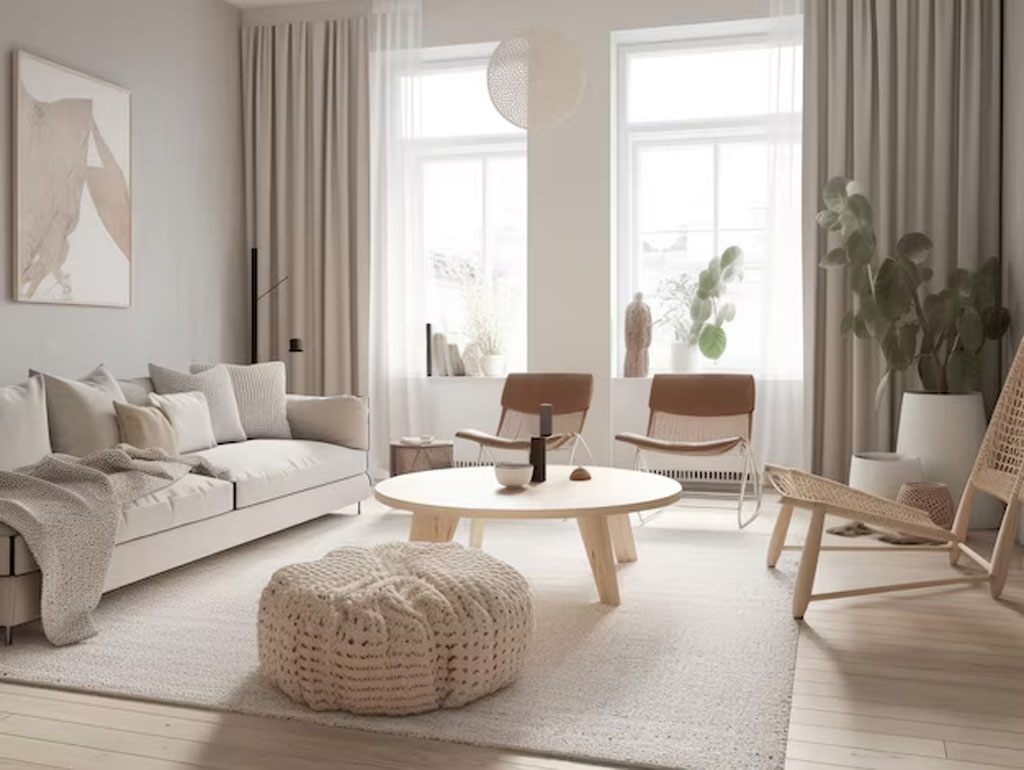
| Scandinavian | Minimalist aesthetic with emphasis on functionality, natural light, and cozy comfort (hygge). Clean lines, clutter-free spaces, and practical design solutions. | White, light gray, beige, soft pastels, with occasional black accents | Light woods (birch, pine, ash), wool, linen, leather, metal accents |
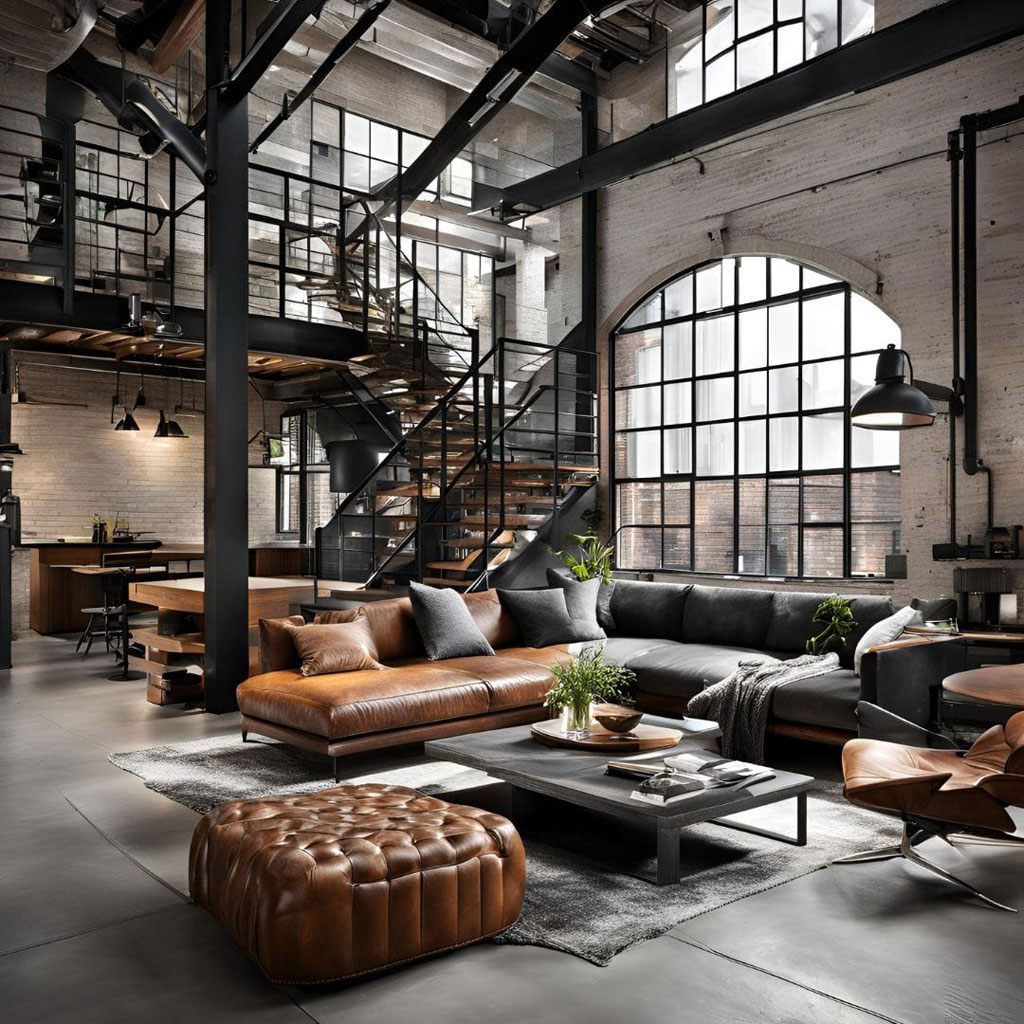
| Industrial | Raw, unfinished aesthetic inspired by warehouses and factories. Exposed structural elements, open floor plans, and utilitarian approach to design. | Neutral grays, blacks, browns, with metallic accents and occasional bold colors | Exposed brick, concrete, steel, reclaimed wood, glass, vintage fixtures |
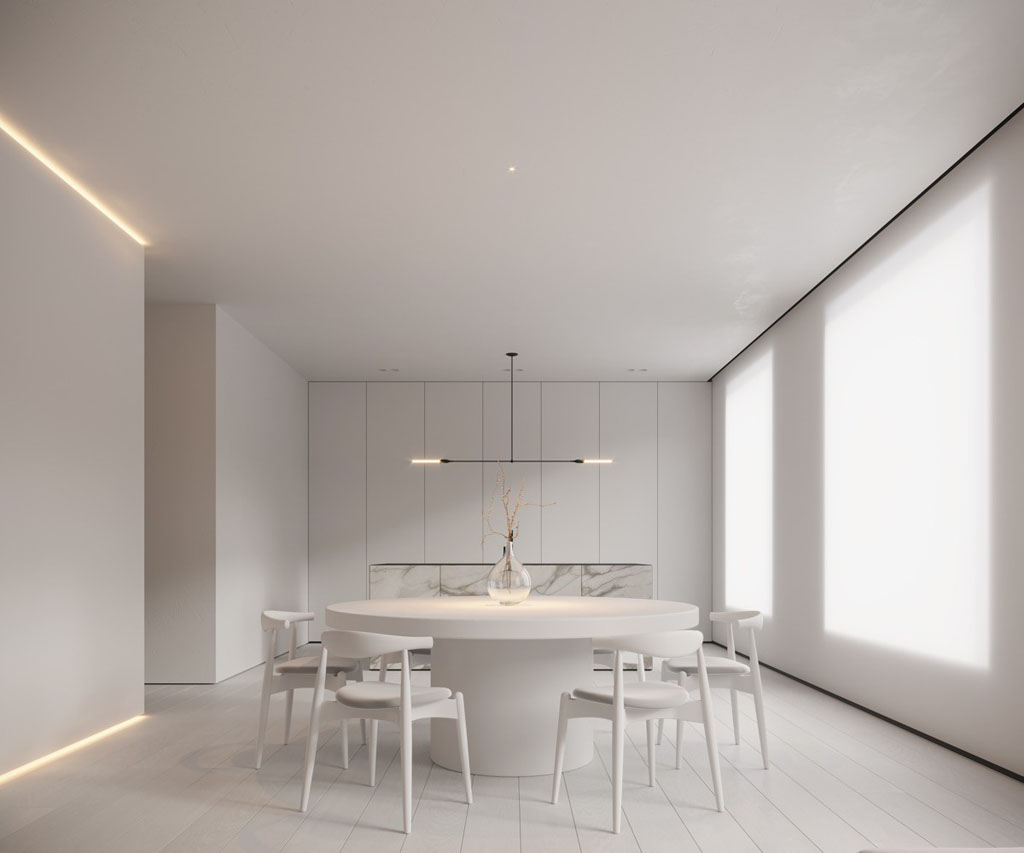
| Minimalist | Ultimate simplicity with "less is more" philosophy. Emphasis on space, light, and essential elements only. Clean surfaces and hidden storage. | Monochromatic schemes, primarily white, black, and gray | Polished concrete, glass, steel, smooth woods, stone |
| Contemporary | Current trends with clean lines, smooth surfaces, and understated elegance. Flexible and evolving with times, incorporating latest innovations. | Neutral base with bold accent colors, often incorporating trending hues | Mix of natural and synthetic materials, sustainable options, smart materials |
| Traditional | Classic elegance with formal furniture arrangements, rich colors, and ornate details. Emphasis on comfort, symmetry, and timeless appeal. | Rich, warm colors - deep reds, golds, browns, greens | Dark woods (mahogany, teak), silk, velvet, brass, crystal |
| Bohemian | Eclectic, artistic style with layered textures, patterns, and global influences. Personal expression and collected-over-time aesthetic. | Rich jewel tones, earthy colors, vibrant patterns and combinations | Natural fibers, vintage textiles, rattan, macramé, mixed metals, plants |
| Art Deco | Glamorous 1920s-inspired style with geometric patterns, luxury materials, and bold statements. Emphasis on craftsmanship and ornamentation. | Black, gold, silver, jewel tones, rich contrasts | Marble, brass, chrome, mirrors, lacquered wood, velvet |
| Rustic | Natural, weathered aesthetic emphasizing organic textures and countryside charm. Comfortable, lived-in feeling with handcrafted elements. | Warm earth tones, browns, creams, muted greens and blues | Reclaimed wood, stone, wrought iron, natural fabrics, exposed beams |
| Mid-Century Modern | 1950s-60s inspired design with clean lines, functional forms, and integration with nature. Iconic furniture pieces and optimistic aesthetic. | Warm oranges, yellows, olive greens, paired with wood tones | Teak, walnut, fiberglass, chrome, leather, geometric textiles |
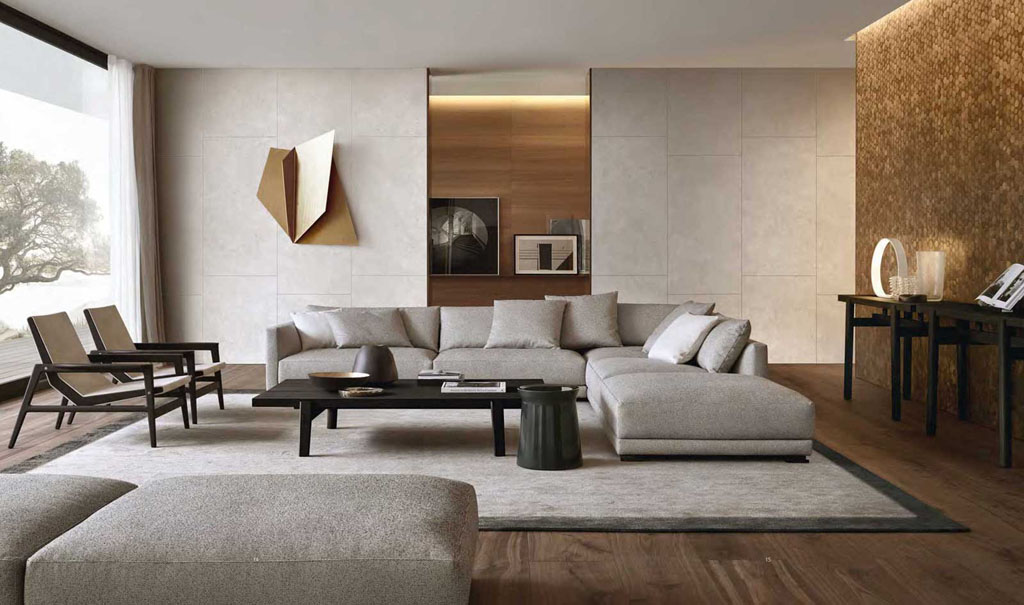
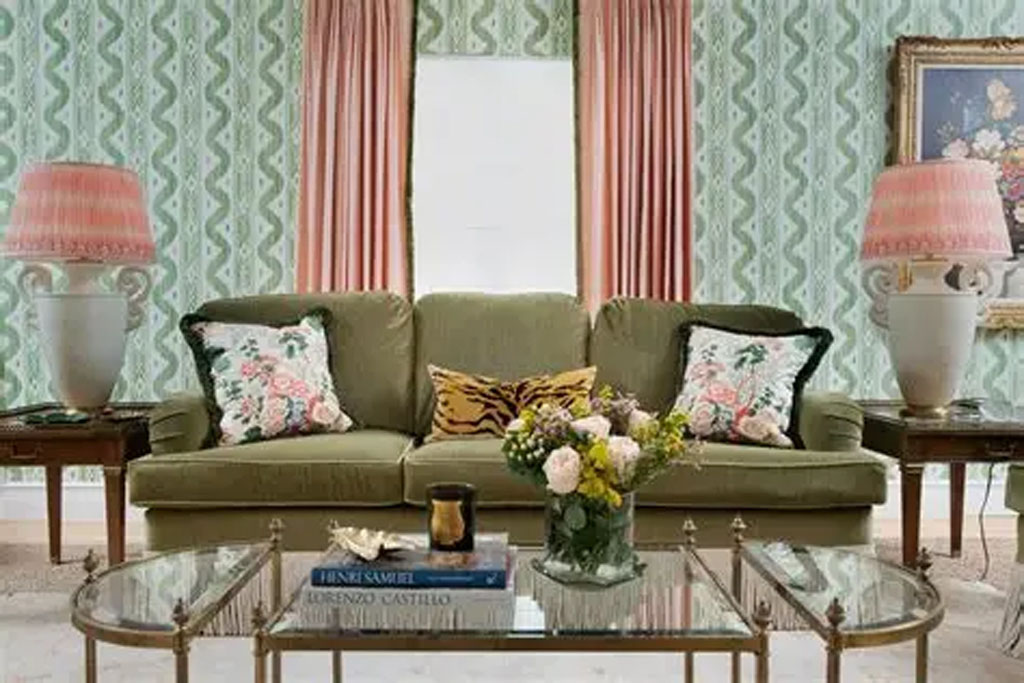
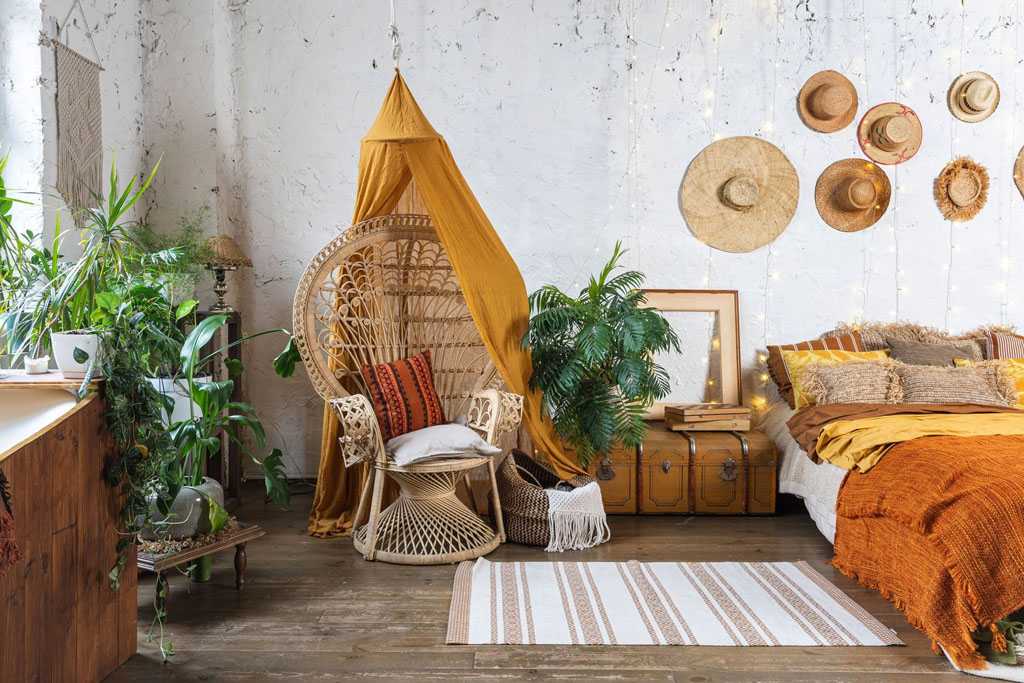
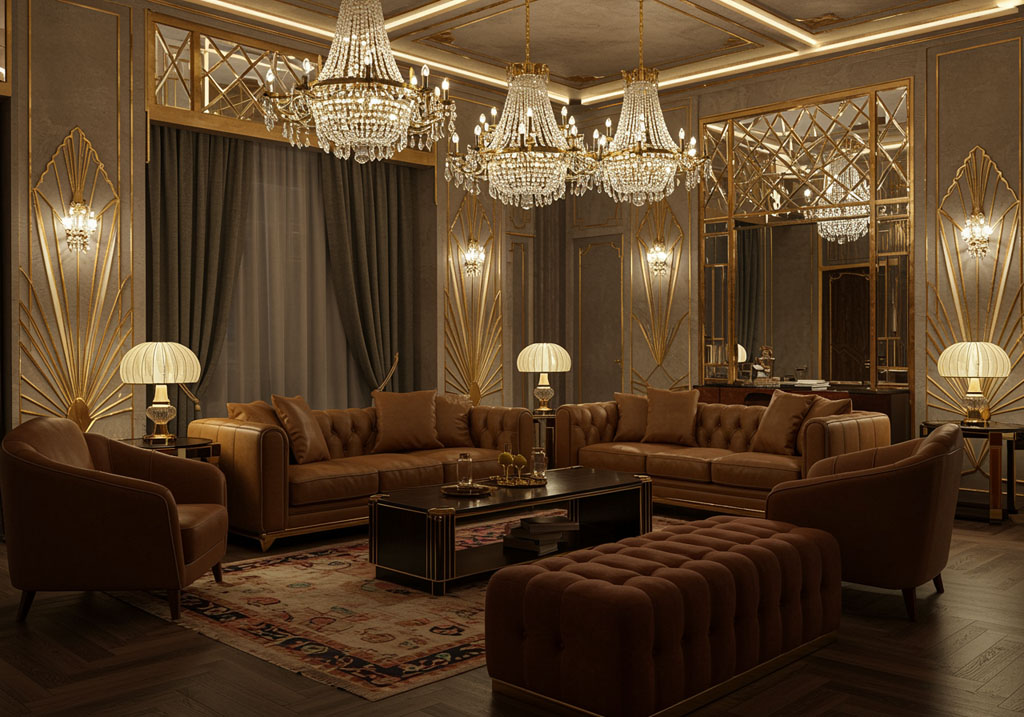
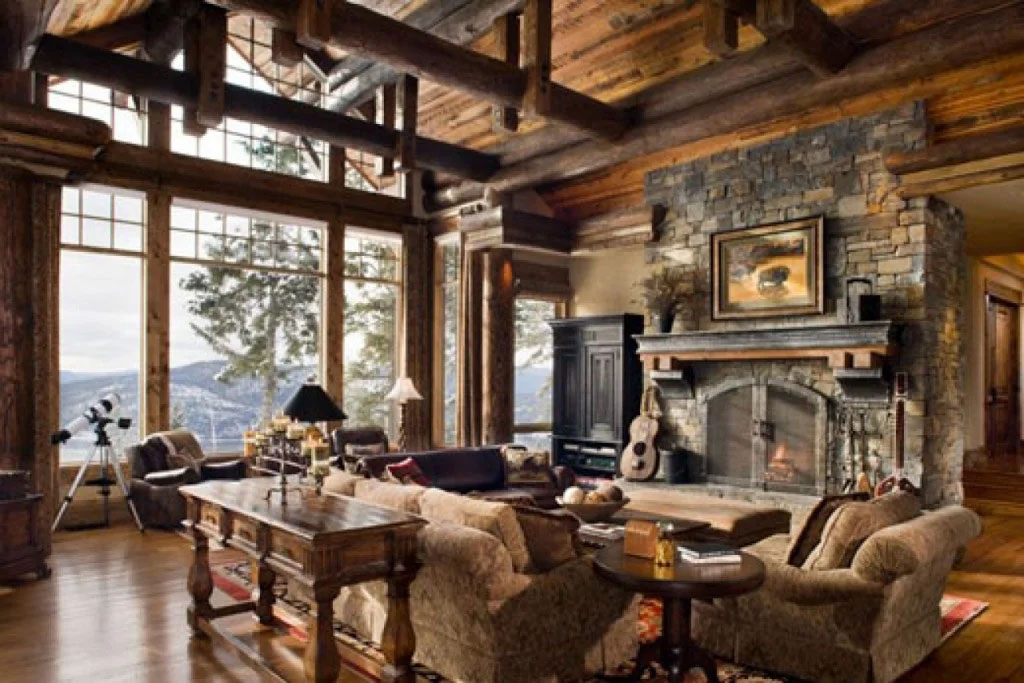

Spatial flow in condominiums requires sophisticated planning to maximize the advantages of larger floor plates and better natural lighting. Designers often create distinct zones for public and private activities, with transition spaces that provide visual and acoustic separation. The living and dining areas might flow seamlessly for entertaining, while a subtle level change or feature element signals the shift to private bedroom wings. Balconies and terraces are integrated as outdoor rooms, extending living spaces and capitalizing on Singapore’s year-round summer climate.
Luxury finishes and bespoke elements characterize high-end condominium interiors. Natural stone surfaces, solid wood flooring, and designer fixtures create sophisticated environments that justify premium pricing. Smart home integration has become standard, with automated lighting, climate control, and security systems controlled through smartphones or voice commands. These technological additions require careful planning during the design phase to ensure seamless integration without compromising aesthetics.
The scale of landed properties permits design strategies impossible in high-rise living. Double-volume spaces create dramatic entrances and living areas, while dedicated wings separate different functions completely. Home theaters, wine cellars, gymnasiums, and spa facilities can be incorporated without compromising essential living spaces. Gardens and pools become integral to the design, with indoor-outdoor connections carefully orchestrated to maximize tropical living advantages while managing heat and insects.
Sustainability considerations increasingly influence landed property design, with clients seeking to reduce environmental impact despite larger spatial footprints. Solar panels, rainwater harvesting systems, and natural ventilation strategies are incorporated from the planning stage. Material selections favor sustainably sourced options, while landscaping emphasizes native plants that require minimal maintenance. These environmental considerations often drive innovative design solutions that enhance rather than compromise luxury.
The heritage value of older landed properties, particularly conservation shophouses and black-and-white colonial bungalows, requires sensitive renovation approaches that preserve historical character while introducing modern conveniences. Designers must navigate strict conservation guidelines while upgrading mechanical systems, improving insulation, and integrating contemporary technology. These projects demand deep understanding of traditional construction methods and materials, as well as creative problem-solving to achieve modern functionality within historical frameworks.
The corporate office landscape in Singapore has undergone revolutionary transformation, driven by changing work patterns, generational shifts, and recent pandemic-induced adaptations. Modern office design goes beyond aesthetic considerations to encompass employee wellbeing, productivity optimization, and organizational culture expression. Designers must create environments that attract talent, facilitate collaboration, and support diverse working styles while maintaining professional sophistication expected in Singapore’s competitive business environment.
Activity-based working (ABW) concepts have gained significant traction, with offices designed to support different work modes rather than assigned seating. Quiet zones for focused work, collaboration areas for team projects, social spaces for informal interactions, and phone booths for private conversations create ecosystems that employees navigate based on their immediate needs. This approach requires sophisticated space planning to ensure adequate provision of each zone type while maintaining efficient circulation and avoiding acoustic conflicts.
Biophilic design principles have become integral to Singapore office design, addressing the psychological need for nature connection in urban environments. Living walls, indoor gardens, and extensive use of natural materials create calming environments that reduce stress and enhance creativity.
Client needs assessment, site documentation, regulatory review, budget establishment, project brief development. This foundational phase establishes project parameters and constraints.
Design concept development, preliminary space planning, mood boards, initial 3D visualizations. Multiple concepts explore different approaches to meet project requirements.
Detailed space planning, material selection, lighting design, MEP coordination, refined 3D renderings. The selected concept is developed into a comprehensive design solution.
Construction drawing preparation, specifications writing, tender documentation, permit application preparation. Technical documents enable accurate pricing and construction.
Contractor tendering, quotation analysis, negotiation, contract award, material ordering. Competitive bidding ensures value while maintaining quality standards.
Site preparation, demolition, construction works, progressive inspections, variation management. The design becomes reality through coordinated construction activities.
Furniture delivery, fixture installation, artwork placement, accessory styling. Final elements complete the designed environment.
Final inspection, defect rectification, documentation handover, warranty activation, post-occupancy follow-up. Project completion ensures client satisfaction.