
Engineering: A practical guide to disciplines, design, and professional practice
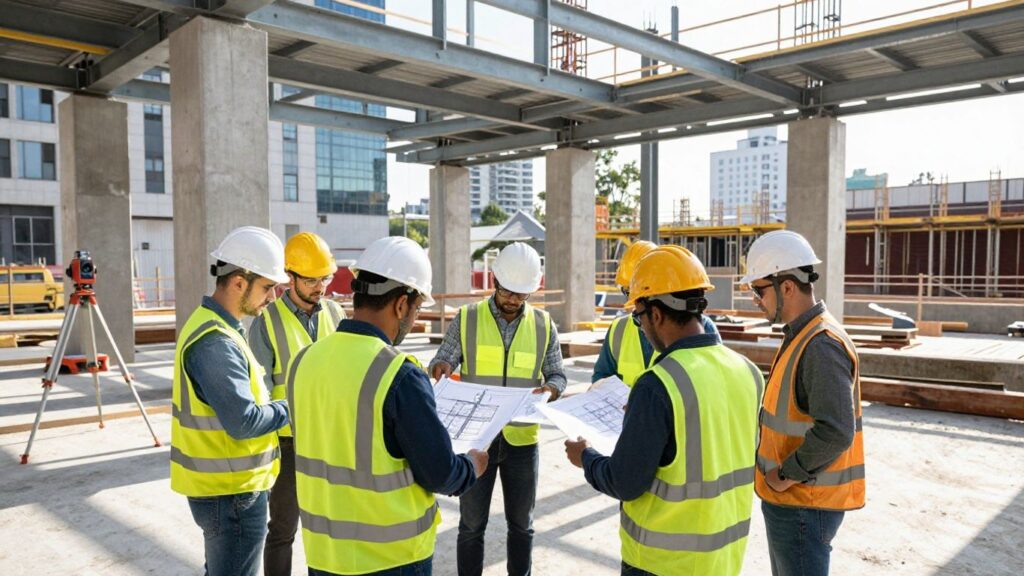
Key Takeaways Engineering turns practical needs into solutions that can be designed, checked, built, and maintained. Its disciplines overlap, but each brings a distinct body of knowledge to a project. Engineering choices connect performance, safety, cost, and long-term use. Built-environment disciplines address structures, ground, building services, and water or environmental systems. Site information and clear […]
Buckling Analysis Techniques: Linear Eigenvalue vs. Non-Linear Imperfection (GMNIA)
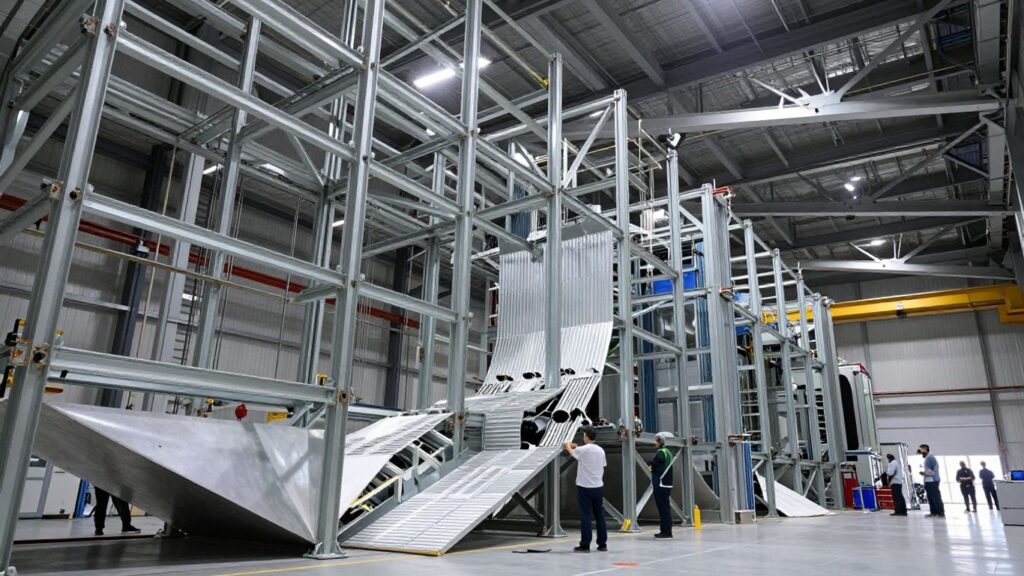
Key Takeaways Linear eigenvalue analysis is a fast elastic stability check, while GMNIA follows structural response with geometric and material nonlinearity and defined imperfections. Used together, they provide a clearer basis for buckling assessment and design decisions. Eigenvalue analysis identifies idealized critical load factors and likely buckling modes. GMNIA can account for large displacements, yielding, […]
FEA Applications in PPVC and MET Steel Modules for Singapore Megaprojects
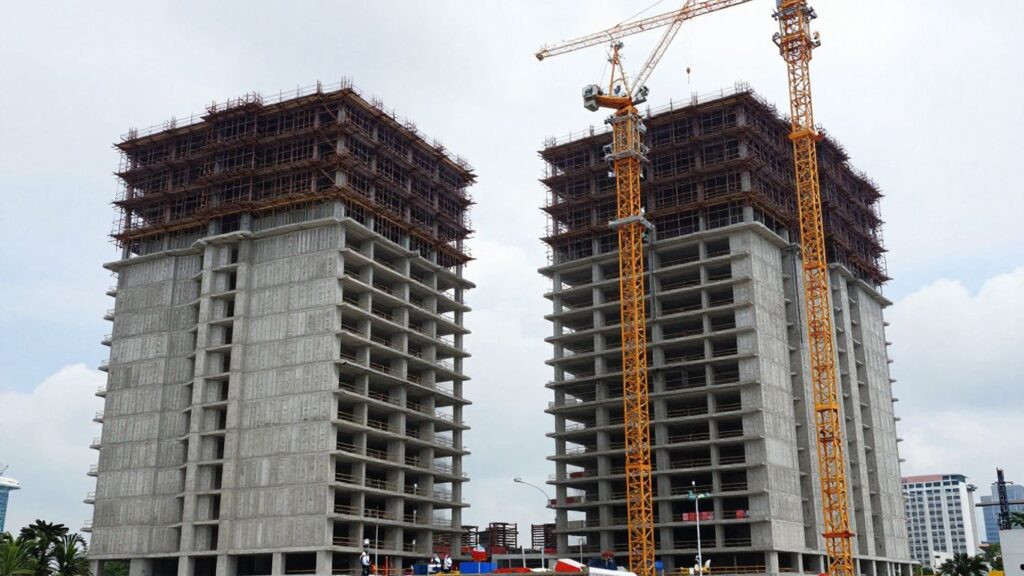
Key Takeaways Finite element analysis (FEA) helps modular construction teams test structural behavior before fabrication, lifting, transport, and installation. In Singapore, its value is greatest when it is connected to DfMA decisions, authority requirements, and practical fabrication constraints. FEA links structural design with manufacturing and assembly decisions. PPVC and MET steel modules require different modeling […]
Protecting Adjacent Sensitive Structures: Dilapidation Surveys and Building Impact Assessments (BIA)

Key Takeaways Adjacent structures can be affected by excavation, vibration, groundwater changes, temporary works, and construction loading. A carefully planned survey and building impact assessment creates a factual baseline for protection, monitoring, and fair resolution of disputes. Record existing conditions before construction begins. Assess both the building and the proposed construction effects. Give vulnerable structures […]
Common Reasons BCA Rejects Temporary ERSS Submissions (And How to Avoid Them)

Key Takeaways Temporary ERSS submissions are commonly returned when the technical evidence, drawings, design assumptions, and authority responses do not form one clear and verifiable package. Confirm that every required form, report, calculation, drawing, and supporting record is included. Base the ERSS design on current site investigation, groundwater, utility, and neighbouring-structure information. Show the design […]
The Annex C & Annex E Workflow: On-Site ERSS Compliance During Execution

Key Takeaways ERSS compliance during execution depends on disciplined supervision, clear authority, and records that connect site actions to approved design and monitoring requirements. Annex C controls the construction and inspection workflow for ERSS works. Annex E provides the monitoring, threshold, and response framework. The RE, RTO, and Site Manager need distinct but coordinated responsibilities. […]
The Cost of ERSS Submissions in Singapore: Breakdown of Consultant Fees, Checking Fees, and Testing

Key Takeaways ERSS costs depend on the excavation, ground conditions, design responsibility, checking requirements, and the level of construction-stage support needed. A useful budget separates professional fees from testing, monitoring, authority coordination, and risk allowances. ERSS is a temporary earth-retaining system used to support excavations and control ground movement. Consultant fees rise with excavation depth, […]
Roof extension regulations in Singapore: Structural limits you must know

Key Takeaways Adhering to Singapore’s strict building codes is essential for any roof extension project, requiring careful planning and professional oversight to remain compliant. BCA approval remains the primary requirement for all structural additions. Proper calculation of dead and live loads ensures long-term safety. Professional Engineers must endorse all structural analysis documentation and plans. Climate […]
Essential structural guidelines for building a swimming pool in your landed home

Key Takeaways Designing a swimming pool for a landed property involves navigating a complex landscape of regulatory, geotechnical, and engineering requirements to ensure long-term stability and safety. Adhere to site-specific setbacks and zoning rules mandated by planning authorities. Prioritize professional soil investigations to determine appropriate foundation design. Model structural integrity through advanced analysis before starting […]
Can I add another storey to my intermediate terrace house in Singapore? A practical guide

Key Takeaways Adding a new storey to an intermediate terrace house requires careful navigation of URA zoning and height restrictions. Professional structural assessments are mandatory to ensure the existing foundation can support increased load. A Qualified Person must lead multidisciplinary submissions to agencies like BCA and SCDF. Unauthorized vertical additions pose significant legal risks, including […]